
Creating a healthy home
Using natural materials to improve wellbeing
Our homes do more than shelter us. They impact our health through the air we breathe, the materials around us and the atmosphere they create. “Just as clothes provide our ‘second skin,’ so a house act as our ‘third skin’ – offering extra protection, comfort and shelter. It is vitally important that we surround ourselves with buildings that are healthy and life-giving, writes David Pearson, in the Natural House Book.
As HEM Architects say in a blog post. “In today’s world, we spend a significant proportion of our lives indoors, so it’s vitally important that we live in environments that nurture our physical and mental health.”
The “sick” home problem
Modern homes can be surprisingly toxic. While most of us are aware of outdoor pollution, fewer realise that indoor air can be just as hazardous – sometimes even worse.
Kitchen units and furniture made from MDF or particleboard can emit formaldehyde. Vinyl wallpapers, plastic flooring, emulsion paints and synthetic carpets may emit VOC (volatile organic compounds) into the air, especially when new. Exposure to VOC vapours can cause a variety of health problems, including asthma. Soft furnishings often contain polyurethane foam, a source of off-gassing.
In addition, fumes and gases produced by poor combustion in open fires or wood-burning stoves, damp and mould are major causes of indoor air pollution. Add in toxic household cleaners and air fresheners and you have a chemical cocktail.
This toxic accumulation is one of the causes of ‘Sick Building Syndrome,’ where people experience fatigue, headaches, skin irritation and respiratory issues.
Building with ‘breathable,’ natural materials
Healthier homes start with the materials they are built with. Many common construction products contain chemicals that can negatively impact indoor air quality. Natural materials are typically safer and contain far fewer man-made nasties. “That’s why”, say HEM Architects, “it’s always recommended that you use natural, inert materials whenever possible.”
Earth & clay bricks
Earth is the most ancient of all building materials. Ancient civilisations built with mud and some of those structures still stand. In England, some old ‘cob’ or wattle and daub buildings still exist, hidden behind facings of plaster, brick or cement.
Earth can be fired to make long-lasting bricks and tiles, or it can be used raw – for example, rammed earth buildings. Hand-made bricks and clay tiles not only support better air quality but also offer individuality and character, ranging in colour from brown, yellow, grey and blue and in surface texture from granular to smooth.
Innovative ‘Strocks’ building blocks crafted from clay-rich earth mixed with wheat straw for binding. They are made from an unfired clay which is vapour permeable or breathable. This means they can regulate internal humidity, offering a healthier and more sustainable alternative to concrete blocks.
Solid timber
Choose solid timber instead of MDF or particleboard bonded with glues that may emit formaldehyde. Reuse old timber when possible – it’s often higher quality and it saves tree. For exterior use, choose more durable species, such as oak, from managed forests. Indoors, a simple finish of linseed oil or beeswax is often all that is needed to protects wood and bring out its natural beauty. Avoid harsh chemicals and toxic varnishes.
Cork and linoleum
Cork, from the bark of the cork oak of southern Europe, is mould-resistant, breathable and naturally insulating. Meanwhile linoleum (made from powdered cork, linseed oil, wood resin and chalk pressed on to hessian) is a far healthier alternative to synthetic vinyl.
Not all natural products are automatically healthy – some are treated with pesticides or chemical finishes. Always look for untreated, low-VOC, or certified non-toxic finishes.
Paints and varnishes that let your home breathe
Paints, varnishes and sealants can be some of the worst offenders for indoor pollution, releasing VOCs long after they dry. Safer options include:
- Limewash which is highly breathable, allowing moisture to evaporate through plaster walls. It’s also naturally antibacterial, mould resistant and VOC-free.
- Silicate paint, made from potassium silicate and mineral pigments, chemically bonds to mineral surfaces like brick, stone and lime plaster. It is breathable, free from plastic binders and highly weather resistant.
- Natural resin or plant-based paints use linseed oil, plant resins, chalk or clay as binders. They are non-toxic with low or zero VOCs when untreated pigments are used.
Opting for natural alternatives makes a big difference. Natural resin organic paints contain none of the plastics, fungicides or chemical additives often present in widely-used emulsions. And they allow your house to breathe. Most wood sealants are synthetic preparations. Resin and oil finishes are non-toxic alternatives.
Always check labels and choose products that list ingredients most fully. If you decorate, use paper wallpaper and non-toxic paste. Avoid chemical paint strippers.
Insulation and indoor air quality
Proper insulation is crucial for comfort and energy efficiency but it’s important to strike a balance. When homes are sealed too tightly, they may trap pollutants and moisture, creating a breeding ground for mould and damp. Breathable materials can help reduce the problem of super-insulated “sealed box” homes.
“When budget and space permit, choose insulation like cellulose, cork or wood fibre,” advise HEM Architects. These natural materials not only reduce the need for chemicals during manufacturing but also help buildings regulate air quality. “Breathable buildings improve air quality by absorbing and releasing moisture, odours and pollutants. The result? A healthier, more comfortable home.”
Opening windows regularly can help reduce the concentration of indoor pollutants. Ventilation is especially important in kitchens, bathrooms and utility rooms where steam, cooking fumes and moisture tend to build up. Extractor fans are a practical solution.
In highly insulated or airtight homes, mechanical ventilation with heat recovery (MVHR) systems provides a continuous supply of fresh air without losing warmth (by opening windows) and even filter out pollen and pollutants.
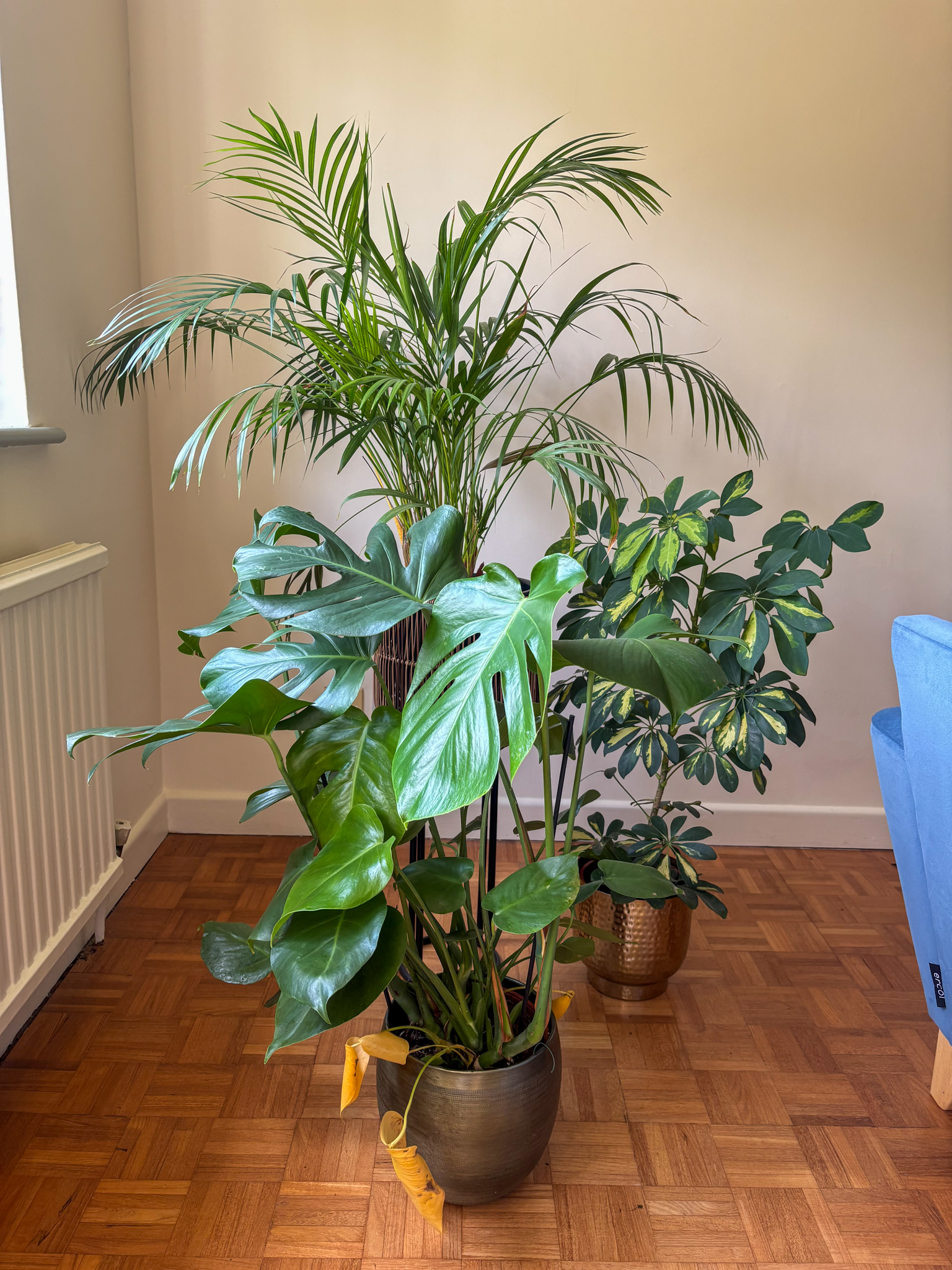
Houseplants are another ally. Peace lilies, spider plants and snake plants can help clean the air while adding a touch of natural greenery. Switching to natural cleaning products like bicarbonate of soda, vinegar and lemon can further reduce the chemical load in your home.
Avoid open solid fuel fires and wood burning stoves. Evidence shows they can be a major source of particulate pollution indoors and contribute to poor air quality outside.
Furnishings that support wellbeing
Soft furnishings can either enrich or compromise a home’s health. When it comes to upholstered furniture, be cautious of synthetic foam and flame-retardant treatments which release VOCs. Instead, look for natural fillings like wool, feathers or natural latex that offer safer, breathable comfort.
Choose coverings made from organic, untreated textiles whenever possible. Natural fibres, such as linen, jute and hemp, bring texture and warmth without the chemical load. “Natural plant fibres, animal skins and bird feathers have always been a staple of our clothing, furniture and bedding,” notes Pearson.
Coarser fibres like coir or sisal make excellent mats and rugs. Use felts for underlays and hessian, burlap or canvas for wall panels and blinds. Linen is long-lasting and beautiful, while untreated fabrics in natural tones—or dyed with non-chemical processes—add softness and character.
Canes and grasses can be an excellent option. As Pearson notes: “These natural materials have inherent easy-living qualities, evoking feelings of warmth and shelter in winter and the touch of sun and airy breezes in summer.” Bamboo can be used structurally or for furniture, for example Ikea kitchen units.
When buying textiles or building materials look for certifications like OEKO-TEX and Greenguard to ensure products are free from chemicals like formaldehyde, pesticides, heavy metals, phthalates and VOCs.
Creating a healthier home doesn’t require a complete overhaul. Even small swaps - replacing synthetic cushions with wool or feather alternatives, choosing a sisal rug over nylon, opting for plant or mineral-based paints - can have immediate effect.