
Natural floor coverings: what are your options?
Sustainable and stylish, we explore the options
Looking to make your home more eco-friendly - from the ground up? Choosing natural floor coverings is a great place to start. More and more people are making the switch from synthetic carpets and vinyl made with fossil fuels to more sustainable materials.
In this guide, we’ll explore five standout options: wool, cork, seagrass, sisal and natural linoleum.
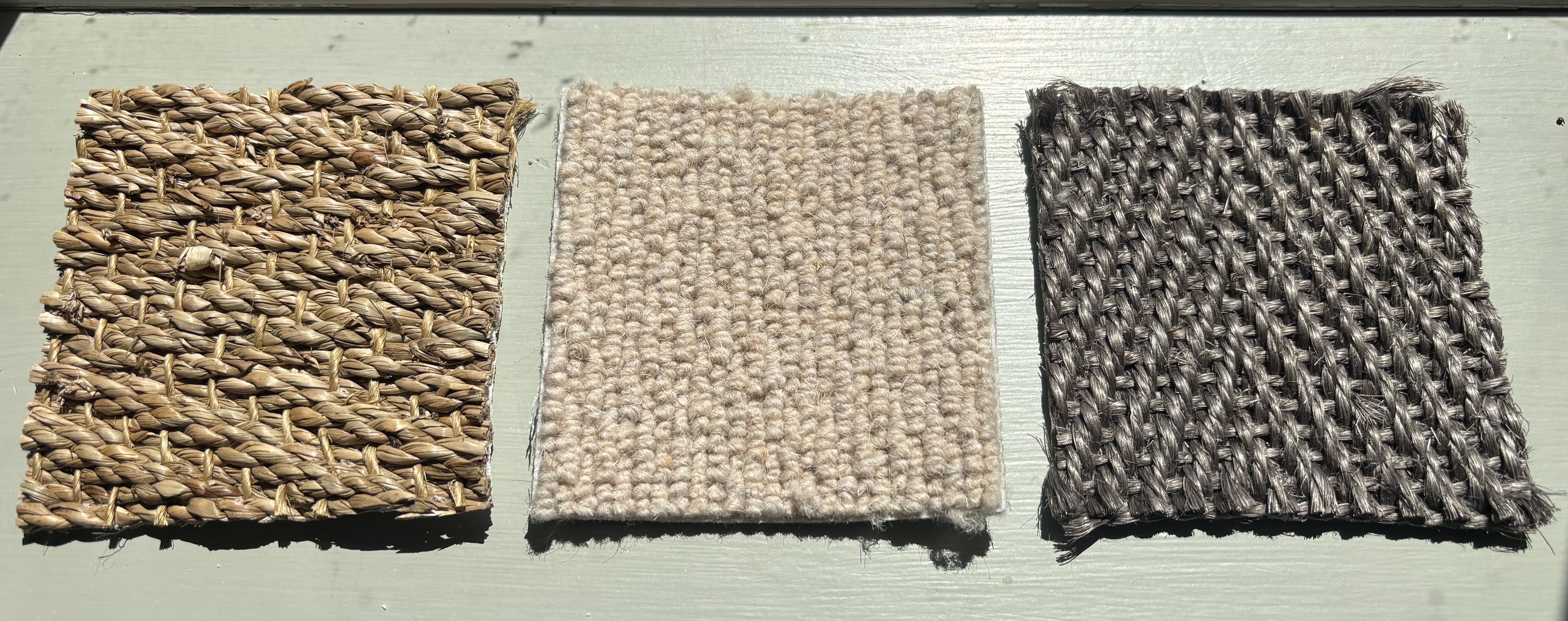 Left to right: seagrass, wool and sisal
Creating a healthy home environment
Flooring isn’t just a design decision. The materials you bring into your home can affect indoor air quality. Many synthetic carpets and vinyl release volatile organic compounds (VOCs), chemicals linked to headaches, respiratory issues and long-term health risks.
Natural flooring offers a breath of fresh air - literally. Most contain zero or extremely low VOCs, are biodegradable, and don't harbour toxins like some synthetic alternatives. Natural floor coverings have been used in homes for centuries – since medieval times. Today natural fibres have increasing appeal as they are environmentally friendly and ideal for people who suffer with allergies to chemicals, pesticides and dyes.
As modern homes become more insulated and airtight for energy efficiency, choosing low emission materials becomes even more important. Fewer chemicals, synthetic glues and fire retardants will lead to improved indoor air quality.
Wool: soft, sustainable and long-lasting
Wool is perhaps the best-known natural floor covering. Pure wool carpets are soft underfoot, durable and available in countless patterns and weaves.
Sourced from sheep, wool is a renewable, biodegradable and sustainable fibre. It’s also a superb insulator, helping your home stay warm and energy efficient. Surprisingly, wool can even improve indoor air quality. According to Woolmark UK, wool carpets can absorb indoor air pollutants like formaldehyde, sulphur dioxide and nitrogen oxides, helping to create a healthier home.
Beyond their eco-credentials, wool fibres are naturally more resistant to dirt then synthetics. The soft feel underfoot makes wool carpet ideal for bedrooms and living rooms. For added luxury, consider deep pile, undyed wool or sheepskin rugs. In high traffic areas like hallways, striped flatweave carpets can disguise dirt while adding interest to otherwise bland corridor spaces.
But there’s one major disadvantage. Pure wool carpets offer an all-you-can-eat buffet for moths. Regular vacuuming especially along room edges, helps prevent infestations. Chemical sprays are available, but Art of Clean recommends a “safer, eco-friendly approach – a special salt treatment that makes carpet less appealing to moths without introducing toxins into your home. This is a great alternative for households with children or pets.”
Expect to pay between £30-£55/m2 for a pure wool carpet, excluding fitting and underlay.
Cork Flooring: carbon friendly and comfortable
Cork is super sustainable. Harvested from the outer bark of cork oak trees native to Portugal, no trees are cut down - unlike logging. This process allows for repeated harvesting (every nine years) over the tree’s lifespan which can be around 200 years. Cork harvesting benefits the environment as the trees absorb more carbon dioxide while the bark regrows. At the end of its life, cork flooring is biodegradable and can be composted or recycled for other uses.
Cork is warm and comfortable underfoot. Depending on the quality of the product, it’s also durable. It has good heat insulation properties and doesn’t shed microfibres like synthetic carpets. Cork contains suberin, a naturally occurring substance which is fire retardant and repels insects, mould and dust mites. This makes cork a great option for allergy sufferers.
Cork flooring can be supplied in tile form, planks or rolls to be cut to fit before being stuck down. For example, Cortejo offers a glueless locking system for tiles with integrated cork underlay. The floor is finished with low maintenance resin coating which keep the surface protected from stains and wear. Flooring by Nature offers wood-effect click cork flooring planks and glue down cork tiles.
Cork can dent under heavy furniture and may need sealing to prevent moisture damage. While cork is somewhat water resistant, it’s not waterproof.
For those seeking a sustainable flooring that is also hypoallergenic and aesthetically pleasing, cork can be a great choice. Expect to pay £25-80-plus/m2 installed.
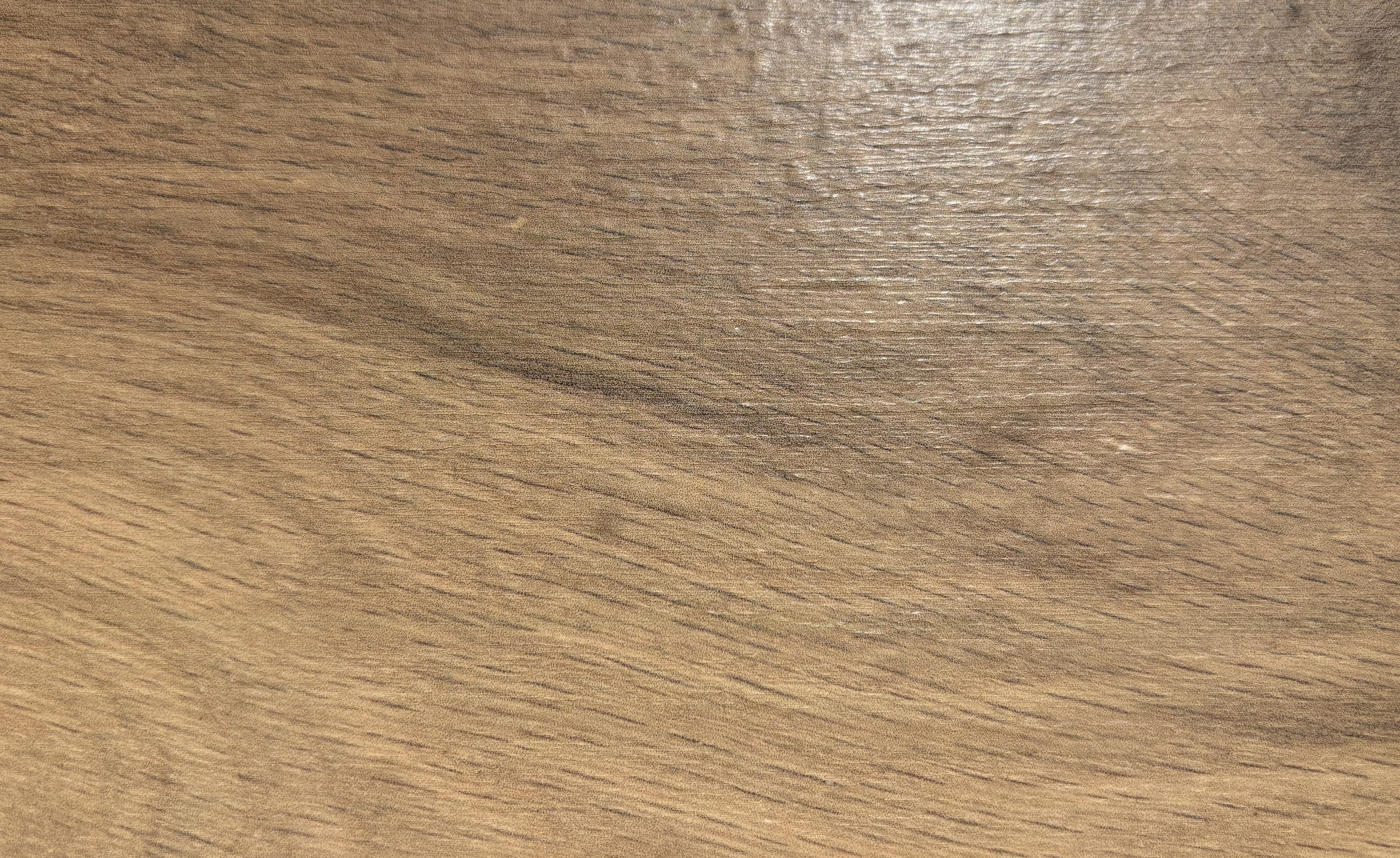 Wood effect click together cork flooring
Seagrass – abundant and renewable
Harvested from marine grasses in coastal waters, seagrass offers another eco-friendly alternative to synthetics. Seagrass is an abundant and renewable resource, growing rapidly in shallow seas. It is biodegradable and requires no chemical treatment or dyeing, reducing its environmental impact.
Seagrass has a slightly waxy surface that’s naturally moth and larvae proof as well as fire resistant. Naturally non-porous, it’s also resistant to bacteria and mildew. Its natural, earthy tones – mostly tans and greens – pair well with many interior styles, especially minimalism or coastal aesthetics.
On the downside, seagrass isn’t the softest material underfoot compared to wool or cork. It’s not suitable for wet areas as the backing can degrade. Nor is seagrass as hardwearing as some other natural flooring materials. It may not be the best choice for heavy traffic areas, though Sissal and Seagrass suggests its Panama weave, a chunkier version of its seagrass fine carpet, is suitable for stairs and landings.
Seagrass typically costs £22-£55/m2, depending on the weave and finish.
Sisal: tough and textured
Sisal is made from long, coarse fibres extracted from the leaves of the agave plant. Like seagrass, it’s a natural plant-based fibre that requires little water and few chemicals to produce. Sisal is completely biodegradable and one of the more rugged natural flooring choices available.
Durability is one of sisal’s standout qualities – potentially reducing the need for replacements. It’s tough enough for heavy use areas like stairs or hallways. It’s also static free and doesn’t attract dirt like some synthetic carpets.
While sisal offers many benefits, its rougher texture can be uncomfortable barefoot, so it’s not ideal for bedrooms. The colour palette is limited to earthy tones, though it can be dyed with vegetable-based pigments. It has poor moisture tolerance and swells or stains easily without sealing, so should not be used in kitchens or bathrooms.
Excellent for those sensitive to dust or chemicals, non-toxic and VOC-free. Expect to pay between £19-£50/m2.
What about linoleum?
Natural linoleum, often called lino, offers a non-fibrous, smooth alternative to sisal and seagrass. It’s not to be confused with vinyl flooring. While vinyl flooring is plastic-based, linoleum is made from natural ingredients: linseed oil, wood flour, cork dust, tree resins, jute backing and mineral pigments.
Lino is exceptionally durable and works well in high use areas, such as kitchens, bathrooms, nurseries and hallways. It is naturally antibacterial and anti-static which helps keep dust and germs at bay. It’s also one of the few natural floor coverings that can be mopped clean. Linoleum is excellent for indoor air quality as it’s antimicrobial, hypoallergenic with extremely low VOCs.
Design wise, lino offers more variety than natural plant fibre options which offer a more rustic aesthetic. It comes in a wide range of colours and patterns including neutrals, vibrant shades and graphic prints. Lino is comfortable underfoot and suitable for underfloor heating.
On the downside, lino must be professionally installed to avoid seams or lifting. It can be damaged by water at the edges if not properly sealed. It’s also cooler underfoot compared to wool, though this can be offset by area rugs.
Prices for natural linoleum vary widely depending on brand and style, generally falling between £25 and £44/m2.
The best natural flooring for your home depends on your priorities. For luxury and softness, wool carpet is hard to beat. For sustainability and insulation, cork is a front runner. For rustic charm and affordability, sisal and seagrass are excellent. Linoleum is ideal for hygienic, high-use spaces. No matter which option you choose, you can feel good knowing your home will be more natural, healthier and gentle on the planet.