
The Pros and Cons of Electric Motoring
Climate change has become one of the main recognised threats to our environment and governments around the world have put in place legislation which will eventually see the sale of new vehicles with internal combustion engines banned. As a result of the impending new legislation, love them or hate them, electric vehicles (EVs) are now the future of motoring.
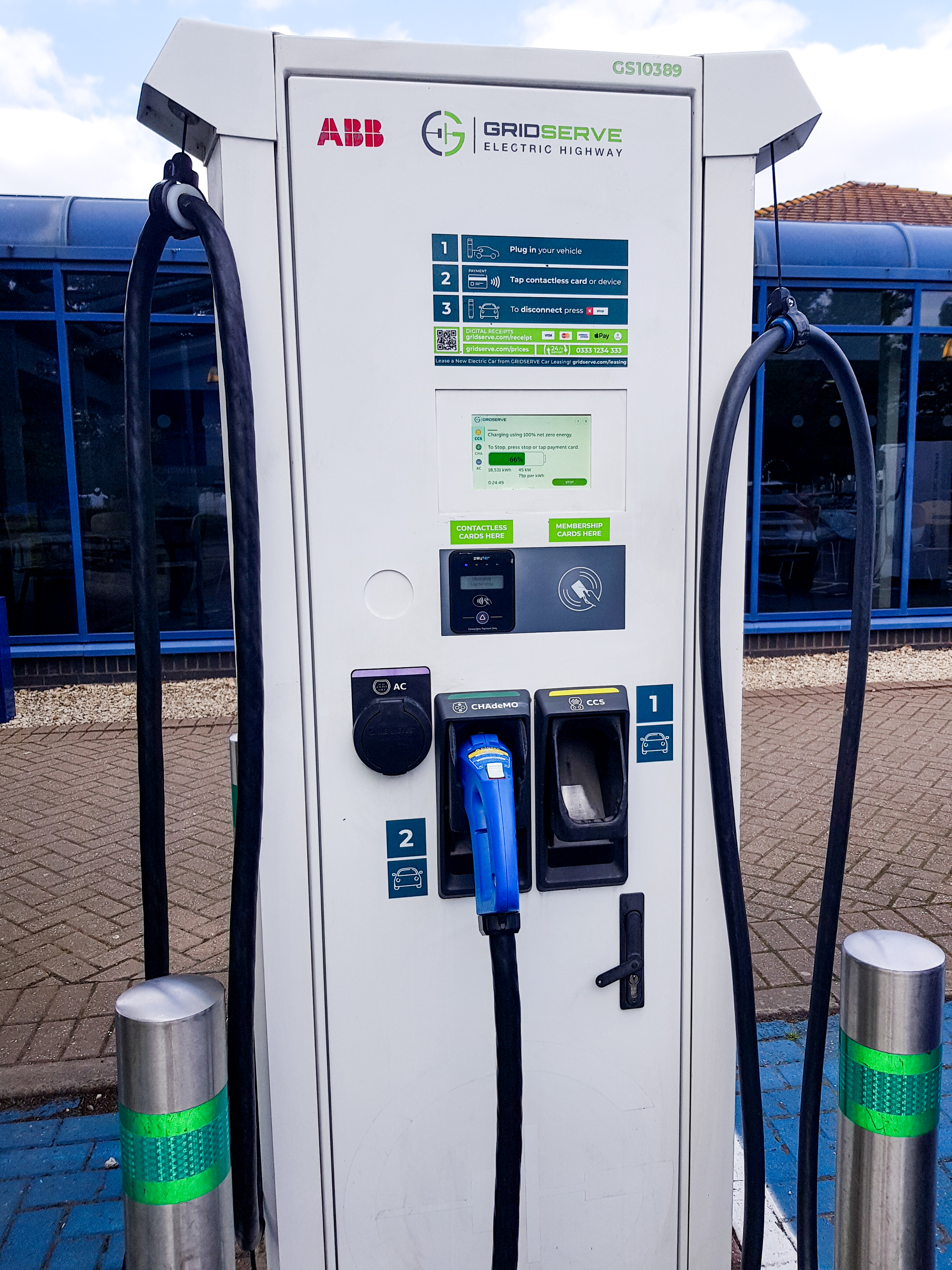
As with most new technologies, particularly ones where the adoption of them is mandatory, there will be shouts of derision from sections of the public who are more than happy with the status quo. Unfortunately, the status quo in this instance is not an option so we are going to be locked into the move to electric motoring.
The easy way to examine the effects of any proposed change is to look at the positive and negative effects that the change will bring about. In looking at the pros and cons of EVs it should be remembered that both from a technology and infrastructure point of view, electric motoring is still very much in a development stage. The infrastructure in terms of public charge points is improving in most areas although some less populated areas are still lagging behind in comparison to more populated urban areas. According to Zap-Map the number of public charge points in the UK has grown from 20,964 at the end of 2020 to 53,865 at the end of 2023 and more than 70,000 by September 2024.
The other main area of concern being addressed by the manufactures is the battery range, with some medium cost vehicles now offering ranges of between 250 and 350 miles between charges depending on the capacity of the battery. It should be remembered that using your aircon, radio, demister, heated seats and any other accessory requiring electric power will have little or no effect on the fuel usage in a conventional vehicle as that would generate the required power from its alternator. On the other hand, an electric vehicle has only one power source, its battery, and running ancillary items such as these mentioned will take power from the battery which would otherwise be used to drive the car, thus shortening the range.
Electric vehicles are seen as being much less harmful to the environment, which is why we are moving to them rather than continuing to use petrol and diesel burning vehicles which are recognised as one of the main polluters of our atmosphere. Where internal combustion engines emit harmful greenhouse gases such as carbon monoxide and methane into the atmosphere, electric vehicles do not produce any tailpipe emissions. Some will argue that the manufacturing of these vehicles is responsible for emitting harmful gases to the atmosphere, which is undeniable, but that is also the case in the manufacture of conventional vehicles.
Electric vehicles are driven by power downloaded from the national grid and stored in its battery. That is then converted by the electric motor to mechanical energy which drives the vehicle. This is a much more efficient conversion than that from fossil fuels to energy. The national grid distributes electricity from the generation source to the consumer. The UK, along with other countries, is turning more to renewable energy, generated increasingly by wind and solar as they look to decarbonize the energy grid. This change of emphasis will lessen the overall environmental impact of electric cars.
The life cycle cost of owning an electric vehicle is also worthy of note. The purchase cost of an electric vehicle is higher than that of a conventional fossil fuelled one but as the ban on sales of new petrol and diesel cars comes into force, that will become a moot point. The cost to buy a new electric vehicle is already dropping as sales rise and production costs fall and there will therefore be a tipping point where the difference in cost become negligible and irrelevant.
To offset any differential in purchase costs, the running costs of an electric vehicle are markedly lower if carefully managed. Public charging points are the most expensive means of charging your electric vehicle’s battery, particularly if you are using Ultra-fast chargers to cut down the time to charge your vehicle, which can be as low as 30 minutes charging to 80%. As battery range in new vehicles becomes longer, the need for topping up at an ultra-rapid public charger will lessen and we will be able to rely more heavily on our home charger, which offers a much lower Kilowatt-hour (kWh) tariff. Most electricity suppliers now offer a low EV tariff to any of their customers driving an electric vehicle and having a home charger fitted. This rate can be around a third to a quarter of the normal rate and is available, in some cases from 11.30pm till 05.30 and covers all domestic usage during that period.
An internal combustion engine can have hundreds of moving parts that need regular maintenance if they are to stay in good working order. On the other hand, electric vehicles use very few moving parts in the electric motor so there are fewer serviceable items in need of regular maintenance and susceptible to break downs. An electric vehicle will typically require a service every two years as opposed to the annual service required by a conventional vehicle. As an added bonus, electric vehicles are not liable for any payment for road tax, although this may be short term. As the number of internal combustion vehicles on the road decreases, so will their contribution to the treasury.
Electric vehicles are also very easy to drive as they have no gearbox and only one gear, therefore have no need for gear changes. This can be a little disconcerting at first but soon becomes the norm. The electric motor is also very responsive and delivers rapid acceleration the second you press the accelerator. With the weight of the heavy battery almost universally concentrated below the floor of the vehicle, most electric vehicles handle and corner very well. They are also very quiet, without the noise of an internal combustion engine and it is worth remembering that if you can’t hear your vehicle, chances are people walking or cycling near you probably won’t either, so drive carefully around pedestrians and cyclists.
In conclusion, electric vehicles are more expensive to buy but less expensive to run in comparison to a conventional vehicle, giving a lower life cycle cost. Batteries are still the main limiting factor in the decision as to whether an electric vehicle is the car of your dreams or your worst nightmare. However you decide, you will fairly soon wake up to the reality of driving one.