
Gardening For Global Warming
Climate change is a global issue and the impact is being felt worldwide, with more extreme weather events such as droughts, storms and flooding becoming more commonplace. Here in the UK, we can expect to see generally wetter, less cold winters, while our summers will be hotter and drier. This general warming of our climate will be accompanied by more frequent and intense weather extremes throughout the year.
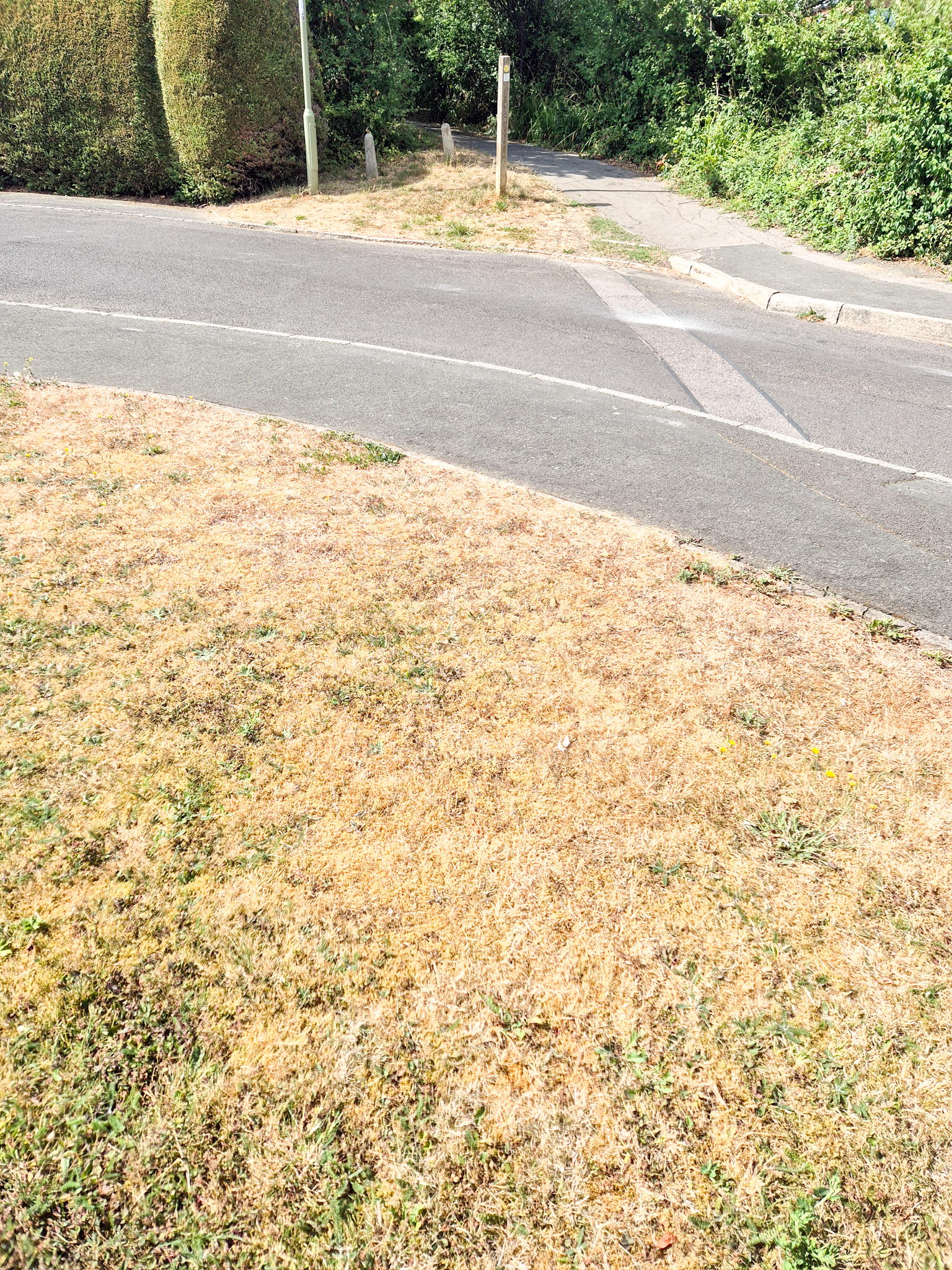
All of this will impact on our gardens, with the growing season becoming longer. Plants will flower earlier, while leaves will fall later and some traditionally less hardy plants will be able to survive under these new conditions. Some well recognised, common plants however, may not do well faced with a hotter dryer summer.
We should not now be surprised when earlier spring bulbs like daffodils, crocuses and tulips come into bloom earlier than we would have normally expected and leaves start to appear on trees soon after. This will now become the norm and gardeners must learn to adapt to changing weather conditions. Earlier blooms, longer growing season and later leaf fall will mean radical changes to the way we tend to our gardens and in some cases, what we plant in our beds and borders.
Many established plant varieties have become the go-to gardener’s favourites for many years as these have become established in our gardens. But some of these will do less well as temperatures rise, rainfall drops and short, sharp periods of very heavy rain become more common. Some shrubs like rhododendron, which are staples of UK gardens and wider landscape much prefer a cooler growing environment and will probably do less well and in some cases fail, as temperatures rise. Delphiniums and lupins will not like the drier climate and grass, which covers great swathes of the UK’s gardens and countryside, may also require more attention in a hotter dryer climate. Without regular watering, lush green grass will very quickly turn dry, brown and in some cases die due to a lack of water, unless regularly watered.
Drought will be a common phenomenon during hot dry summers and with that comes hose-pipe bans, so you may need to water any areas of lawn and garden frequently to preserve its appearance. It is therefore essential to capture and retain as much rainwater as possible during wet weather. Water butts are items that no home gardener should be without as global warming takes a grip of our climate. These come in a variety of sizes with capacities ranging from 100 litres to over 800 litres. Most houses have more than one downpipe draining water from the roof and it is not uncommon now to see a water butt attached to the outlet of each of these. Water butts now no longer need to be large, unsightly grey containers, some are much more aesthetically pleasing, being shaped as wooden casks or large pots. It is also advisable to keep all of your watering cans full, ensuring that you refill them after use and allowing your water butts to top up from any rainfall.
To help counteract the probable lack of moisture in the soil, it is wise to enhance the soil’s moisture retention capability by increasing organic matter with the use of compost or manure to retain as much moisture in the soil as possible. It’s also worth applying two to three inches of mulch to help reduce evaporation.
When shopping for new plants, trees or shrubs, it is best to steer clear of the more traditional varieties and look at others that come from more tropical climes. Bear in mind that as our climate changes, we will very soon see our weather become similar to what has until now been looked on as being a Mediterranean climate and on that basis, we should probably be looking to introduce species of plants and shrubs which will be more tolerant of the hotter, dryer weather we can expect to be our norm.
Garden centre stocks will now be changing to allow for different species of plants which will tolerate the hotter dryer summers and the warmer, wetter winter months. Any good garden centre will be able to offer free advice on what plants will give the best results over the longest time. This will be important when buying larger more expensive shrubs or trees as you would expect them to flourish over a longer period of time as global warming continues to take its toll on our gardens.
Mediterranean countries have coped with a climate and temperatures akin to what we are beginning to experience here in the UK and they have many stunning areas of landscaping and gardens. Canary Island Date Palms, Bougainvillea, Oleander, Citrus Trees and Hibiscus, all grace the Mediterranean landscape and will begin to appear in gardens in the UK.
It is worth noting that many gardens in countries like Spain, Portugal and Italy use automatic plant watering systems to ensure that their plants get an adequate supply of water to keep them healthy. Plant watering systems are available in many garden centres and hardware shops and if we are to engage with global warming and adopt the shrubs, plants and trees of our Mediterranean cousins we would do well to adopt their gardening practices as well as their plants.