
Wood burner sales are soaring - but at what cost to our health and planet?
Comforting warmth or hidden hazard?
Wood burning stoves have seen a surge in popularity in recent years. There’s something undeniably comforting about gathering around a real fire on a cold winter’s night. But what about the smoke and soot they generate? Brighton and Hove City Council’s cheerfully named “Cosy Killer’” campaign is raising awareness that burning wood produces a dangerous form of air pollution - PM2.5 - that can be especially harmful to children and people with breathing difficulties.
It’s not just Brighton. Some campaigners are so concerned about the health risks they recently urged the UK government to phase out wood burning stoves and open fires in homes by 2032. Mums for Lungs is also calling for stoves to be sold with labels warning they are harmful. So, are wood burners a sustainable source of heating or a hidden hazard?
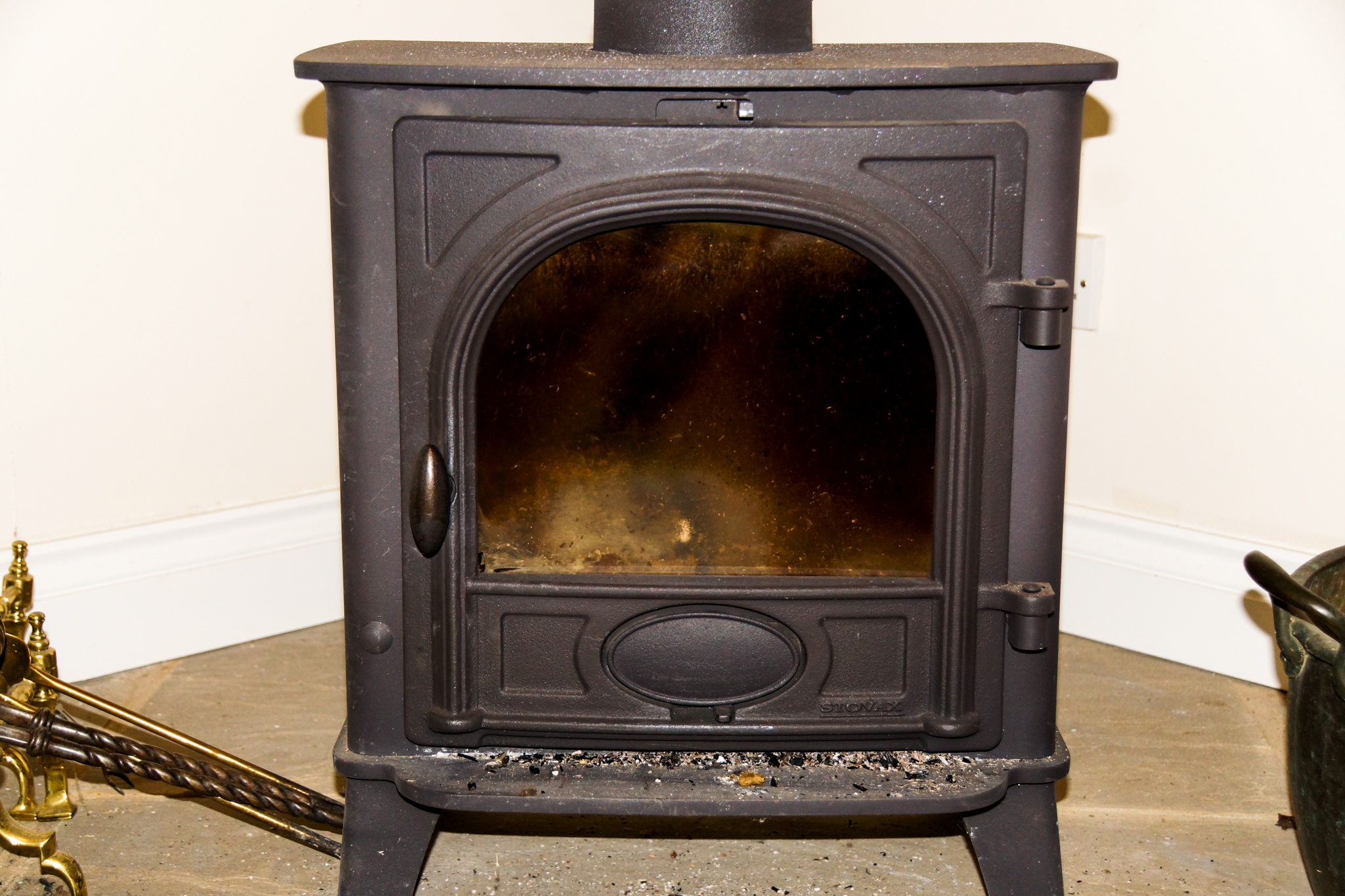
Lifestyle choice or essential heat source?
For some households, especially those living off grid or in rural areas, wood burners can be an essential heat source. But in cities and towns, stoves are more of a lifestyle choice than a necessity. No one in London, for example, needs to burn wood. Nevertheless, many people are reluctant to give up the comfort of a roaring fire, especially if it keeps heating bills down.
Wood burners are most highly concentrated in affluent city neighbourhoods, raising concerns about their impact on local air quality. Among those sticking up for wood burners is Richard Peake, director of Kingsworthy Foundry, near Winchester. His family firm has been selling stoves for 50 years. He says: “We’ve seen exponential growth since then although headline-grabbing negative press has impacted the industry as a whole.”
Asked why stoves have become so popular, Peake says aside from “the ambience and cosiness” it’s mostly because wood burners are far more efficient than open fires. The Stove Industry Alliance (SIA) estimates it would require 16 logs in an open fire to produce the same heat as five logs in a modern, energy efficient Ecodesign stove. “Many people use a stove as their main heating source during the colder months rather than as a secondary source. Indeed, gas or oil central heating often becomes the secondary source once you have a stove installed, says Peake.”
He adds: “Used correctly, a wood burning stove is a cheaper way to heat your home. We are also seeing more people concerned about self-sufficiency. We are currently seeing increased demand for wood fire cooking stoves.”
The pollution problem
While wood burners have their advantages, the environmental impact is hard to ignore. A recent study by the Institute for Fiscal Studies (IFS) highlights domestic wood burning as a major source of PM2.5 air pollution – tiny particles that penetrate deep into the lungs. According to Defra’s latest estimates, wood burners contributed 11 per cent of small particle pollution compared to 21 per cent from road traffic in 2023.
This fine particle pollution has been linked to asthma, COPD (chronic obstructive pulmonary disease) and lung cancer. Burning wood indoors can cause damage akin to cigarette smoke, a new study by University College London has warned.
And a 2022 report cited by Sir Chris Whitty, chief medical officer for England, showed that even modern Eco-design stoves generated 450 times more toxic air pollution than gas central heating, while older stoves now banned from sale, produced 3,700 times more.
A drop in particulate pollution from road transport and heavy industry, such as steel, means parts of the UK have the cleanest air for decades. But the use of wood burning stoves pumping out particulate pollution is rising. In 2024, official figures show increases in wood burners in homes and the use of biomass in industry had partly offset drops in pollution from cars and burning coal.
In total, around 1.5 million homes across the UK are now estimated to have a wood burner installed – a number that continues to rise despite environmental concern.
The industry perspective
Peake points out any form of combustion produces emissions from roasting a dinner to frying an egg. On the issue of air pollution, Peake is pragmatic. He highlights road traffic is now the UK’s biggest single cause of PM2.5 emissions with “brake dust, exhaust fumes, rubber particles spilling into our atmosphere 24/7. Industry and manufacturing also have a part to play.”
He adds: “In my opinion - and it is just that, my opinion - there are bigger things to worry about than a small number of wood burning stoves using what is essentially a renewable source of energy for maybe four months of the year. For 99% of people who use them, they are on for no more than a few hours each evening and weekend.”
Burning sustainably sourced wood can be carbon neutral, says Peake. Trees absorb CO2 as they grow which is then released when burned – forming part of a natural, relatively short-term carbon cycle, unlike fossil fuels that release ancient, buried carbon into the atmosphere.”
Peake acknowledges “burning wood releases more carbon emissions than gas or oil central heating for the same amount of heat produced.” But he adds the wider impact of manufacturing and fuelling central heating systems “far outweighs the overall impact of a wood burning stove.”
Between 2021 and 2022, Defra data shows a 4 per cent reduction in PM2.5 from domestic combustion. During the same period, the SIA reports record stoves sales – up by per cent According to the SIA, the improved air quality reflects the increased take-up of modern, cleaner burning, Ecodesign compliant stoves, such as clearSkies certified appliances, replacing more polluting open fires and older stoves.
Peake comments: “I would say the current rules are working but we can still do better. The Stove Industry Alliance and its growing membership are driven to educate and help drive down emissions from wood burning for domestic heating.”
How to burn more responsibly
If you already have a wood burner – or are considering buying one – there are ways to reduce its environmental impact. Since 2022, all new stoves sold in the UK must be Ecodesign compliant, meaning they meet stricter standards for efficiency. In Smoke Control Areas, such as London, only “Defra exempt” appliances which have been tested for low emissions, can be used to burn wood.
To minimise pollution, government advises:
- Only burn dry wood with a moisture content of 20% or less. Look for the “Ready to Burn” logo or season logs for at least two years before use. Wet or unseasoned wood creates more smoke and soot.
- Ensure your stove is installed by an installer registered on a competent person scheme. Check for registration with HETAS, APHC, BESCA, Certsure NAPIT or OFTEC.
- Service your stove annually and have the chimney swept at least once a year. Find a chimney sweep through the Federation of British Chimney Sweeps or the HETAS “Book a Sweep” website.
- Store wood in a dry area, allow logs to air dry for at least two years before burning. Use a moisture meter to check that moisture levels are 20% or less before burning.
- Use sustainably sourced wood, where possible. Buy from local suppliers who manage woodlands responsibly. This supports biodiversity and reduces emissions.
Peake adds: “The simple message is to burn dry wood (under 20 per cent moisture content) in an Ecodesign stove, regular maintenance, such as sweeping the flue – and using natural firelighters rather than paraffin-based ones or newspaper is also key.”
He adds that while Ecodesign is a mandatory European regulation, clearSkies is a voluntary certification scheme that certifies stoves meeting or exceeding these standards. “Certain stove brands in the UK, such as Chesneys and Charnwood, already exceed the clearSkies Level 5 standard, boasting excellent efficiency and incredibly low emissions.”
The future: Ambience without emission?
If you love the look of a flickering flame but want to avoid wood smoke altogether, there are now eco-friendly alternatives. Bioethanol fires use fuel made from by-products of crops like sugarcane or corn. Bioethanol fires burn cleanly, producing only water vapour and trace amounts of carbon dioxide. They don’t create smoke or soot, so there’s no need for a flue, extractor fan or chimney.
Bioethanol uses oxygen in the air to burn (like conventional fires) so it’s recommended to keep a room ventilated to ensure airflow. And while burning biofuel produces a little carbon dioxide, it’s a similar amount to burning candles, say suppliers. “Bioethanol fires are becoming a serious contender,” says Peake. “Provided the flame is not in contact with any media, such as fake logs or coal, then the only byproduct is water vapour.”
Electric flame-effect stoves are another option. Though Peake notes they still run on electricity “which in itself is not great for the environment.”
Ultimately, he believes there is a future for wood burners. “With responsible use, good education and modern technology, wood burning stoves can continue to provide a sustainable, low impact and highly efficient form of heating for many years to come.”