
What grants are available for heat pumps, solar and other energy efficiency upgrades?
Billions of pounds are waiting to be snapped up to make homes greener and cheaper to heat
Whether you’re considering a heat pump, solar panels, battery storage or better insulation there are grants and loan schemes that could significantly reduce the cost. The key is knowing where to look. The cash help available often depends on where you live in the UK, your household income and the type of improvements you want to make.
From universal heat pump grants to schemes targeted at lower-income and vulnerable households, here’s a guide to the energy efficiency funding available across the UK.
Boiler Upgrade Scheme
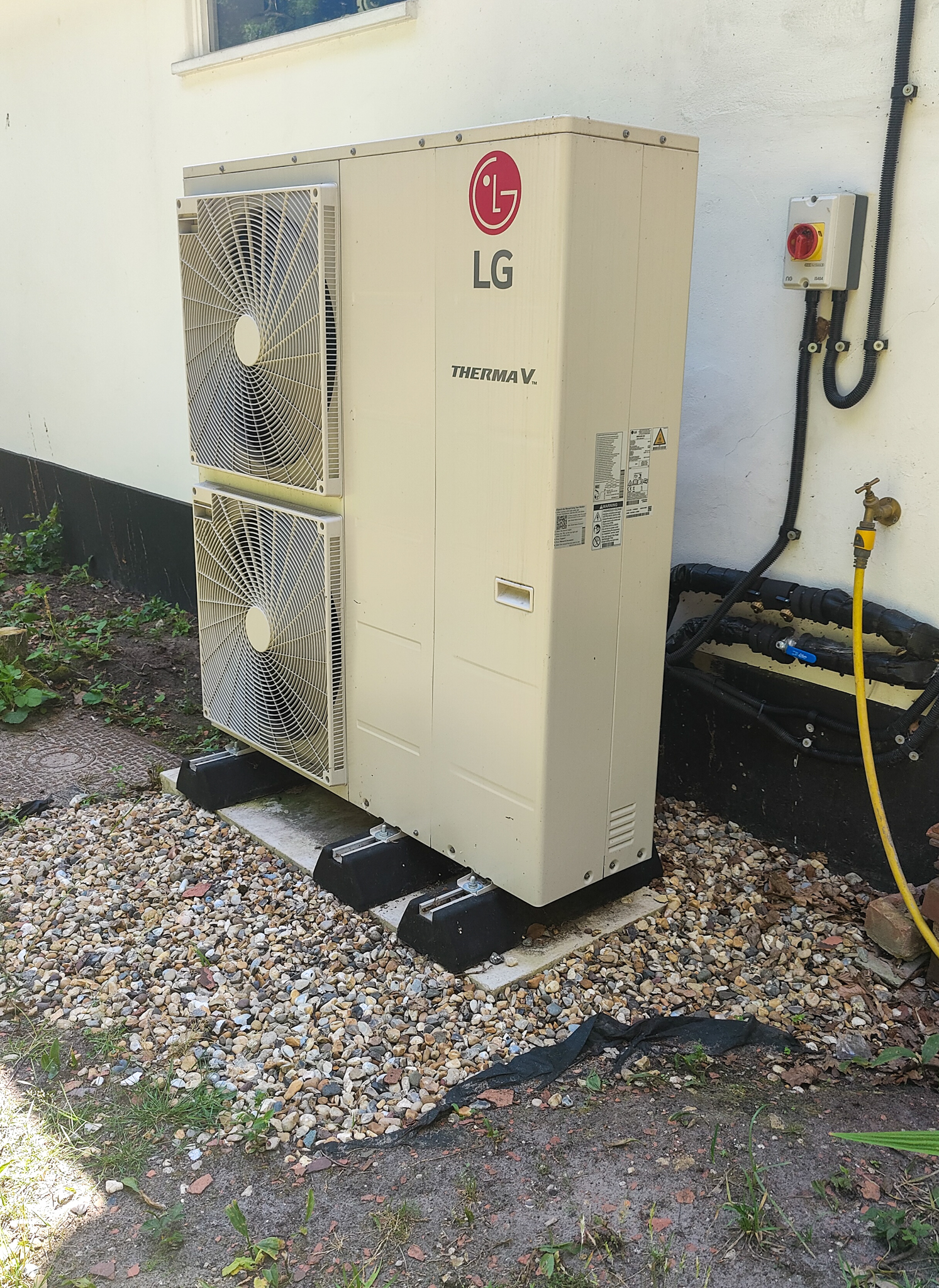
The Boiler Upgrade Scheme (BUS) is the UK’s flagship grant scheme helping homeowners switch from fossil fuels to low-carbon heating systems. In England, Wales and Scotland, homeowners who want to replace their existing gas or electric boiler with a heat pump can get £7,500 towards the cost of doing so. Unlike many other schemes, the grant is universal, so is not dependent on household income.
Typical installation costs for heat pumps are £11,000, according to the Energy Savings Trust. The BUS grant can cover a substantial proportion of the upfront cost, making heat pumps more affordable.
If you have either an oil or LPG (liquid petroleum gas) boiler, the grant has just been upgraded to a whopping £9,000 for installations from July 21, 2026.
Your chosen installer will apply on your behalf – just make sure they are certified by the Microgeneration Certification Service (MCS). The grant comes straight off your invoice, so you never have to pay the full amount upfront or wait to be reimbursed.
The installer will survey your property to decide on the correct size pump and provide an estimate of future electricity bills. While heat pumps can lower a home’s energy use, some homeowners find their energy bills go up, not down. This is because heat pumps run on electricity – which is more expensive per unit than gas – resulting in higher ongoing costs. Many homeowners find their bills only go down when they pair heat pumps with solar panels with battery storage, reducing their dependence on grid electricity.
Under the Boiler Upgrade Scheme, the grant available for a biomass boiler is £5,000 in some off-grid rural properties where a heat pump may not be possible.
In Northern Ireland, there is currently no equivalent boiler upgrade scheme.
The ECO4 Scheme
The Energy Company Obligation (ECO4) Scheme is a government energy efficiency programme that helps qualifying homeowners with fully funded upgrades. The scheme runs across England, Scotland and Wales until December 2026.
Instead of a traditional grant, it is a legal obligation placed on energy suppliers to fund the installation of energy-saving measures in lower-income, vulnerable and fuel-poor households.
Funding can cover the full cost of improvements, including insulation, heating upgrades, heat pumps and solar panels. For households that qualify, ECO4 can be one of the most generous schemes because there is often little or no contribution required towards the installations.
Warm Homes: Local Grant Scheme
In England, many local authority energy efficiency programmes are now delivered through Warm Homes: Local Grant Scheme.
The programme is aimed at lower-income households living in privately owned or privately rented homes with poor energy efficiency performance ratings, typically EPC bands D to G.
Depending on eligibility, households in specific postcodes may receive free improvements such as cavity wall and loft insulation, solar panels, smart heating controls and air source heat pumps.
Applications are usually made through local councils, which will visit the property and arrange any approved work directly with the installers. Landlords may need to pay for some of the improvements.
The Warm Homes Plan
The Government’s long-awaited £15 billion Warm Homes Plan has been heralded as the largest home energy efficiency programme launched in the UK for a generation.
The initiative includes low and zero-interest loans for all homeowners regardless of income. The idea is this will help to spread the cost of installing green tech like rooftop solar and battery storage, which costs around £10,500 for a standard family home.
Under current proposals, low-income households will receive fully funded upgrades which cover the entire cost of energy efficiency improvements, such as insulation, solar panels and battery storage.
The government hasn’t yet said when this financial support will be available, only that it will give more details later this year. Ministers have described the programme as a “rooftop revolution” aimed at tripling the number of homes with solar and lifting one million people out of fuel poverty.
The Warm Homes Nest Scheme in Wales
The Welsh Government Warm Homes Nest Scheme offers free energy efficiency advice to all households alongside fully funded home upgrades for eligible low-income and vulnerable households
Energy efficiency improvements include insulation, heat pumps and solar panels. To qualify, you must live in a low-income household or receive means-tested benefits and your home must have an EPC rating of E or less, or D if someone in your household has a chronic respiratory, circulatory or mental health condition, such as dementia. If your home is D and nobody has a chronic condition, you may be put on a reserve list.
Properties without heating or hot water, may be eligible for repairs, replacement to boilers or electric storage heaters. To be eligible, you must own or privately rent your home (not local authority or housing association).
Northern Ireland Sustainable Energy Programme (NISEP)
The Northern Ireland Sustainable Energy Programme helps homes become more energy efficient and reduce carbon emissions.
At least 80 per cent of the levy-funded budget is ring-fenced for vulnerable and low-income households, though some schemes are also open to non-priority households. The grants can cover central heating system upgrades, boiler replacements, cavity wall and loft insulation. The programme is run by the Energy Savings Trust on behalf of the Utility Regulator.
In addition, the Affordable Warmth Scheme provides energy efficiency grants to lower-income households worth up to £7,500. Households with an income of less than £23,000 may qualify for help with installation of insulation, central heating and new windows.
Applications are made through the Northern Ireland Energy Advice Service (NIEAS) which assesses eligibility.
Home Energy Scotland Grant and Loan Scheme
Scottish homeowners can access support through the Home Energy Scotland Grant and Loan Scheme which offers both grants and interest-free borrowing.
Funding of up to £7,500 is available for heat pumps, biomass boilers and other energy efficiency measures, rising to £9,000 for those living in rural and island homes. If extra funding is needed, there is the option of an interest free loan. The energy improvements must be recommended in a valid Energy Performance Certificate (EPC) or a Home Improvement Report.
Grant funding is available for heat pumps, biomass boilers, loft insulation, cavity wall insulation and high heat retention storage heaters while loans are required for solar and wind turbines.
Separate from the grant and loan scheme, Warmer Homes Scotland is the Scottish Government’s national fuel poverty programme. It offers eligible homeowners and privately renting tenants fully funded energy-saving improvements, such as insulation, renewable heating systems and zero-emissions central heating. To qualify, households must live in a home with a poor energy rating, have lived there for at least six months and include someone who receives certain benefits or who is aged over 75 with no working heating system.
Other ways to save
Not all financial support comes in the form of grants. Homeowners installing solar panels can benefit from the Smart Export Guarantee (SEG), which pays households for excess electricity exported back to the gird. While payment rates are usually low, the scheme can help improve long-term return on investment from solar panels.
A lot of green tech currently benefits from a zero per cent VAT rate. This includes solar panels, battery storage systems, heat pumps and insulation measures. Depending on the size of the project, the VAT savings alone can reduce upfront costs by hundreds or even thousands of pounds.
If you’re planning a major home energy upgrade, it worth checking the local and national schemes. You could significantly cut the cost of making your home greener, warmer and cheaper-to-run.