
What is the best way to improve your home’s EPC rating?
From solar panels to loft insulation, which upgrades make the biggest difference?
Rising energy bills and tighter rental regulations have made Energy Performance Certificates (EPCs) more important than ever. An EPC is a points-based assessment of energy efficiency and is legally required when selling or renting a house. Properties are rated from A (most energy efficient)) to G (least energy efficient). Most homes in the UK are a depressingly D. Moving up just one band can reduce heating bills and help landlords comply with new regulations.
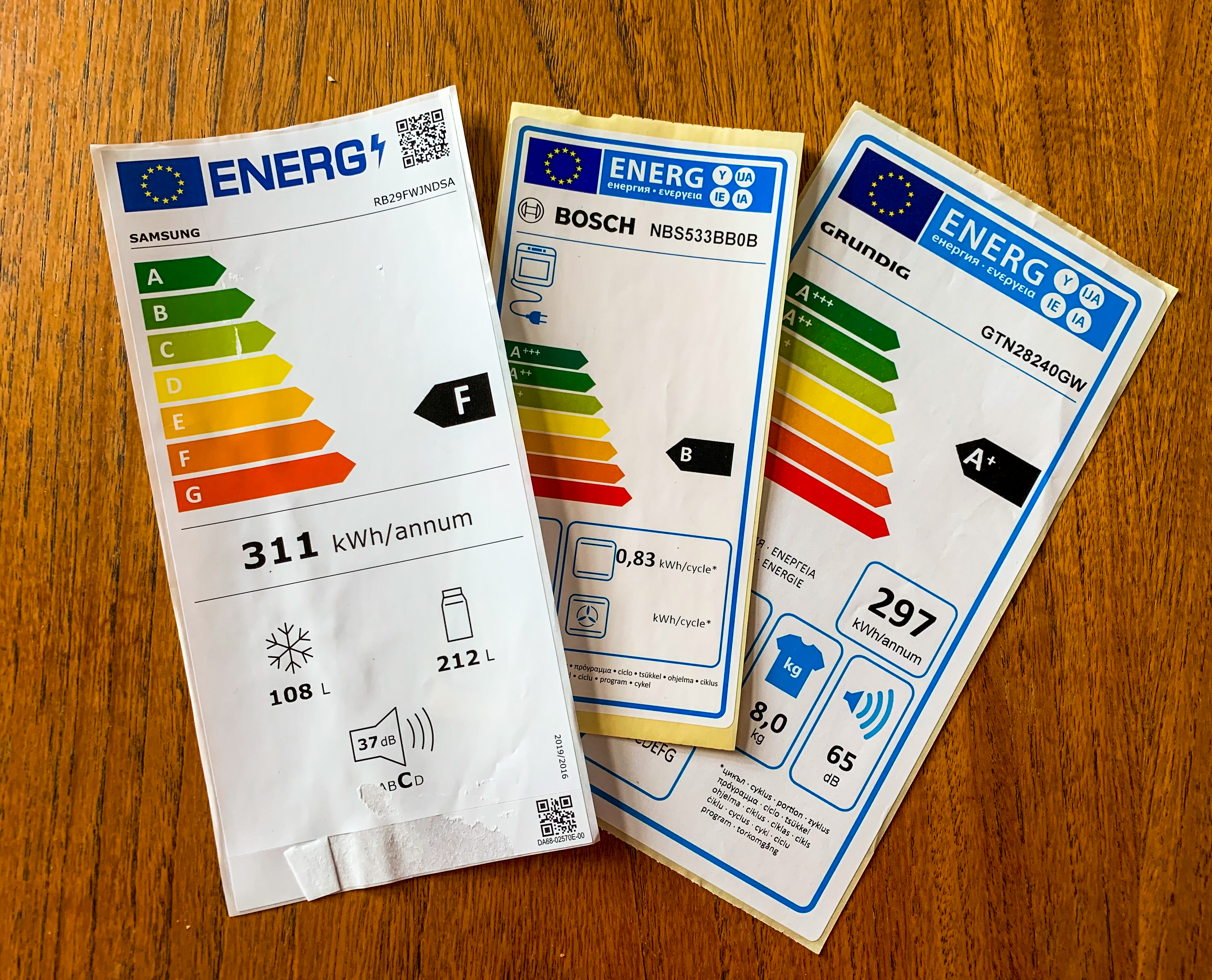
How EPC ratings work
EPC ratings are based on a SAP (Standard Assessment Procedure) score. This number reflects how energy efficient a home is, based on factors such as insulation, heating systems and running costs. That score is then grouped into a letter grade from A to G:
- A (92–100) – very efficient
- B (81–91) – efficient
- C (69–80) – fairly efficient (the current minimum standard for most rentals)
- D (55–68) – average (most UK homes are here)
- E (39–54) – below average
- F (21–38) – poor
- G (1–20) – very poor
Even a small increase in SAP points can be important if it pushes a home into the next band.
To boost a home’s EPC rating, official advice is to start by cutting heat loss, then improve how efficiently the home is heated and only then look at renewable technologies, like solar panels or heat pumps. This “fabric first” approach is reflected in the EPC scoring.
We spoke to two domestic energy assessors: Simon Kelly of Actual Carbon Emissions and Alton-based Kai Harper for their expert insights into the changes that can make the biggest difference.
Loft insulation: best value upgrade in most homes
About 25 per cent of a home’s heat can escape through the roof. Most homes have some loft insulation, but often it’s not enough to meet modern standards. During an EPC assessment, the assessor will inspect the loft and measure the depth of any loft insulation
Current guidance recommends at least 270mm of mineral wool (glass or rock wool) although many experts suggest topping this to 300mm-plus. If insulation already exists, you don’t need to remove it. Simply add a new layer on top.
Moving from no insulation to the recommended depth can improve a home’s EPC score by 10-15 points, potentially shifting a property up a whole band. Be aware if you store any items in your loft, it can flatten down insulation possibly as low as the floor joists.
Harper says: “The most cost-effective way to improve an EPC is definitely loft insulation. I can probably count on one hand the number of lofts I’ve inspected that had insulation that met current building regulations.”
Kelly adds: “Loft insulation needs to be present and at the right depth.”
Wall insulation can dramatically improve ratings
Around a third of all the heat loss in uninsulated homes escapes through the walls. Most properties built after the 1920s have cavity walls which can often be filled with insulation to reduce heat loss. Cavity wall insulation only became mandatory for new buildings in the 1990s. For many homes stuck in Band D, retrofitting cavity wall insulation can help push the property to band C. However, assessors need evidence to show cavity wall insulation has been installed or it won’t count.
Kelly says: “You definitely need evidence. The assessor can look for drill holes in the brickwork where cavity wall insulation has been installed after the wall was built. But if the property was then rendered it may not be possible to see any drill holes. Homeowners can take photos as evidence. Obviously, a certificate is best.”
Harper adds: Homeowners should always go with a “fabric first” approach which means insulation first in the loft and walls. It’s all good putting the best heating system in the world into a property but if you have no insulation, you will be spending a fortune and burning loads of fuel to keep yourself warm.”
While loft and cavity wall insulation can dramatically improve a home’s comfort and energy efficiency, ventilation must be considered at the same time. Without adequate airflow, heat and moisture can become trapped inside the property, creating what Harper describes as a “sweatbox” — increasing the risk of mould growth.
“One of the biggest mistakes homeowners make is over-insulating a property without providing enough ventilation,” says Harper. Effective ventilation measures can include extractor fans in kitchens, bathrooms and WCs, trickle vents fitted to windows and internal doors with a 10mm gap beneath them to encourage airflow between rooms.
Older properties with solid walls rather than cavity walls can also benefit from insulation. Solid walls can be insulated externally or internally but it is usually a lot more expensive and disruptive to install.
Insulate your hot water cylinder for a quick win
Improving hot water cylinder efficiency is possibly the cheapest way to boost an EPC rating. Adding a British Standards compliant insulating jacket can increase your score by 1-2 points – and will reduce heat loss.
The current recommendation is an 80mm loose-fit cylinder jacket, though modern cylinders often come with 50mm factory-fitted foam insulation which is generally efficient enough. If you don’t already have foam insulation sprayed on your tank, fitting a jacket is an inexpensive DIY job. Insulating the first metre of hot water pipework connected to the cylinder, using foam tubes, can also help improve efficiency.
Harper says: “Another relatively cheap way (to improve your EPC rating) is to increase the amount of insulation on a hot water cylinder but again this will probably only be a change of one point.”
Open chimneys can drag down an EPC score
Traditional fireplaces are popular period features but open chimneys are heavily penalised in EPC calculations because they allow warm air to escape from a property, like a permanent hole in the wall. Capping and sealing the chimney can improve energy performance significantly. Chimney balloons can help to stop draughts, but assessors don’t always recognise temporary measures.
Replacing an open fireplace with a sealed wood burning stove can add points to an EPC rating. Domestic EPCs are heavily based on fuel running costs. Because wood logs or pellets are cheaper per kilowatt-hour than peak electricity, upgrading to a DEFRA-approved Ecodesign stove can improve an EPC rating. When sealing a chimney, it’s vital to keep some ventilation to avoid dampness.
“Open fireplaces and chimneys can drop your score by two points,” says Harper. “So, if you want to increase your score block them up or put an alternative heat source where the fireplace is. Just bear in mind not all alternative heating sources will increase your score.” Fitting a decorative gas fire often reduces your EPC score compared to a modern log stove, for example.
Kelly comments: “You lose points having an open chimney. If the chimney is blocked, you get a better rating of three or four points which can put you in a different band. Have it blocked off professionally by capping at the top and sealing at the bottom.”
Draught proofing and small updates can help.
Air leakage is a cause of poor EPC ratings, especially in older homes. Draught proofing around doors, windows and sealing gaps between floor and skirting boards can reduce heat loss and improve comfort. Collectively these small improvements can make a difference, particularly for homes close to the next EPC band.
Heating controls such as programmable thermostats and thermostatic radiator valves are also rewarded within EPC assessments because they allow heating systems to run more efficiently. Switching to LED lighting throughout the home can add a few extra points too.
Kelly says: “It’s surprising how much difference it makes but if you replace every lightbulb in the house rather than just some you probably gain one or two points.”
Upgrade to a modern, condensing boiler or heat pump
Older boilers are heavily penalised within EPC calculations. Replacing them with a modern condensing boiler can improve efficiency and reduce running costs. Swapping a conventional boiler and hot water cylinder for a combi boiler may also increase the score further. However, a new boiler on its own doesn’t fix heat loss. The biggest EPC jumps generally occur when a modern boiler is combined with loft or wall insulation and better controls.
Kelly says: “The Government is trying to phase out fossil fuels but at the moment if you have a new condensing gas boiler that is going to help your EPC rating.”
Heat pumps that run on electricity are increasingly important as the UK moves away from gas heating. EPC software assumes they are installed correctly – otherwise performance benefits are limited.
Harper says: “So far as the EPC rating software is concerned, installing a heat pump will pretty much always increase your score more than upgrading a boiler will.”
Kelly is more cautious. “A heat pump will generally improve the band, but it depends on how efficient the old boiler was,” he says. “One of the things the EPC is based on is the cost of running a home. If a condensing gas boiler is replaced with a heat pump, while it is definitely better for the planet, it may cost more to run.”
Solar panels can push homes up an EPC band or two
Solar photovoltaic panels can provide one of the biggest EPC boosts because they reduce both energy costs and carbon emissions.
Harper recommends combining a heat pump with solar panels to reduce running costs as otherwise electricity bills can increase. He says: “The most effective way to improve an EPC rating is by installing solar panels, especially if the property has an export capable meter.” This meter can send unused solar electricity back to the grid, adding extra EPC points because the home is able to export renewable energy.
For example, a property rated D68 could improve to C72 by installing four 455-Watt solar panels (1.8kW total) adding four EPC points. If the property also has an export capable meter, the improvement would be nine points and the rating could increase further to C77. Adding a solar battery can increase the score even more, with the improvement based on the battery’s size and capacity.
Kelly agrees: “Solar panels will almost certainly bump you up a band and in some cases two bands, depending on the number of panels and batteries for storage. He adds: “Solar panels should be enough to get to C or above whereas a heat pump doesn’t necessarily get as many points as you might expect.”
Replace single glazing with double or triple glazing
Upgrading from single glazing to modern double or triple glazing typically increases an EPC score by four to 10 points.
“The newer the glazing, the better the grade you get,” says Kelly. “If you still have single glazing, I definitely recommend replacing it with double or triple glazing. However, if you already have older double glazing and replace it, it will make the house warmer, but I haven’t seen evidence from the properties I’ve assessed that it meaningfully improves the EPC rating.”
He adds: “I assessed a house with 25 windows and recorded all 25 as north-facing in the software system, then changed them to south-facing to see what difference it made. The EPC rating stayed the same.”
Harper agrees that replacing existing double glazing with triple glazing is unlikely to make a noticeable difference to EPC ratings. However, he also notes the age of the windows can still have an impact: “The newer the windows are, the better the score—potentially increasing it by one or two points compared with windows installed pre-2002.”
He adds that frame material (uPVC versus metal) has little effect on the rating along with window orientation.
Why evidence matters
Perhaps one of the biggest surprises for homeowners is how much EPC ratings depend on documentary evidence. Assessors can only record improvements they can verify, which means that even substantial upgrades aren’t reflected in the rating if there’s no supporting evidence.
Kelly explains: “It’s surprising how many people buy a property without asking how old the extension is or getting all the certification. The downside is the room in the roof will revert to the age of the original property.”
To avoid losing valuable EPC points, homeowners are advised to gather all relevant documentation ahead of an assessment. For a loft conversion or home extension this could include a Building Regulations Completion Certificate. Harper adds: “Evidence for work to count could be forms or certificates stating the work has been done and approved or even photos of the work being done with a date stamp.”
Without this evidence, assessors are required to assume no improvements have been made. In practice, this can significantly reduce the property’s EPC rating. For example, if there is no proof that cavity wall insulation has been installed in an older property, it will be recorded as uninsulated or “as built.”
Every EPC also includes recommendations, highlighting specific improvements most likely to raise your individual property’s energy rating.