
Top ten green gadgets for your home
Green gizmos can help save water and energy, which is good for both your wallet and the planet
From energy saving bulbs to water saving shower heads, there are lots of green gadgets and apps. Nearly everything in your home can be connected to the internet from lights to thermostats and from fridges to front doorbells. In this article we look at ten gizmos that promise to make your home greener and cheaper to run.
Smart thermostats
Smart thermostats can be used to control your home’s heating remotely via a smartphone app or a website. Like a conventional thermostat, the device allows you to schedule your heating to reduce energy waste and save money. But with a thermostat that is smart, you can control the heating remotely. For instance, you can turn your heating on when travelling back from a holiday. Or, if you go to work and then realise you’ve left the hot water on, you can then turn it off using your phone. Popular features include the ability to learn your routine and then programme itself, multi room control and a motion sensor to detect when you enter and leave your home and adjust your heat settings accordingly. Two top brands are Google Nest and Hive, developed by British Gas. Each has its own features. For instance, Google Nest Pro produces a monthly report which gives a breakdown of energy use. If there are peak times when your household energy use is high, it will suggest how you can use less.
Home composters
More than 10 million tonnes of food are wasted every year in the UK, mostly ending up in landfill, slowing rotting and releasing methane – a powerful greenhouse gas. Currently, only a third of councils provide a food waste collection service, sending it to anaerobic digestion plants where it it’s used to produce biogas and biofertilizer.
For those who aren’t lucky enough to live in an area with a food collection service, there’s a new cohort of gadgets claiming they can eliminate kitchen food waste by turning it into instant compost. In contrast to the humble garden compost bin, which can take a year or so to turn vegetable peelings into compost, Lomi’s “kitchen composter” is marketed as able to “make your family’s food waste disappear at the push of a button.” But it’s eye-wateringly expensive at £399 – prices correct July 2024. And there has been pushback from critics who claim some of these gadgets dry and grind food waste into a mixture that isn’t compost or even good for your garden, reports The Guardian.
The HotBin Mini is a UK-made composting unit that can process all types of food waste in weeks, including meat and fish. The company claims it will quickly chomp through all your food and turn it into a rich, organic compost your garden will love. The gadget costs £179.99.
Rainwater harvesting
In the UK, where rainfall is frequent, rainwater harvesting systems are an effective way to conserve water. While a simple water butt typically captures about 200 litres of water, an underground rainwater harvesting tank can easily filter and store up to 6,500 litres of water. This water can then be used for gardening, washing cars or even flushing toilets, reducing your home’s demand for precious drinking water. Toilet flushing, for example, accounts for up to 35% of the average household water use.
An inexpensive alternative to an underground storage tank is the Freeflush Gravity-fed Rainwater Harvesting System. The simple yet efficient piece of kit diverts rainwater from your roof into a tank located on a raised plinth at least 0.5 metres above the top water level in the cistern it is delivered to. Unlike an underground rainwater storage tank, no pump is required. A 100-litre tank would provide 25 flushes on a low flush toilet cistern, says the company. Other suppliers of rainwater harvesting kits include Graf and Stormsaver.
Smart Power strips
Smart power strips, such as those offered by Kasa and Meross, significantly reduce energy waste by cutting off power to devices that are in standby mode. Figures vary, but experts say standby power consumption in the average home ranges from five to 10 per cent of the typical household energy consumption. When a printer or laptop plugged into a smart strip goes into standby mode, its power consumption drops. The circuitry detects the change and cuts the power. The rest of the outlets in use stay on. Some smart power strips also have one or two unmonitored outlets that always stay on. These are the ones that you plug in the devices that always need power. Some smart strips come with extra bells and whistles, including remote control.
Smart plugs
A British company has invented a super smart socket to tell you if the energy being used is renewablesm. When a light flashes green, it’s using more wind or solar power from the National Grid and when it flashes red it’s consuming fossil fuels. This means you can wait for a green light to charge your mobile phones or laptop at times of plentiful renewable energy supply. What’s more the sockets can also automatically switch off machines left on standby that are plugged in to save energy and reduce emissions. The machine learning sockets can measure energy use and carbon emissions of printers, computers – anything plugged into them. The sockets were designed by a Reading-based company called Measurable Energy. The technology is already being used in office buildings and there are plans to launch into the domestic market. The hardware is designed to be repaired, reused and recycled and runs on carbon neutral servers, says the company.
Water saving shower heads
Eco showers aim to give as strong a shower as a regular stream while using less water. The EcoCamel showerhead injects air into the showerhead’s water stream through a small hole in the base of the handle. This creates the feel of a powerful shower while using considerably less water. The downside, though, is that the EcoCamel can be noisy. “It’s like showering next to a plane engine,” reports a Guardian reviewer. The PulseEco, rather than direct air into the water flow, instead pulses the water 30-40 times a second. The company claims it delivers the temperature and power of a conventional shower but uses between 40 to 60 per cent less water.
Old style showerheads can use up to 15-20 litres per minute and even some modern ones will drain 10-12 litres per minute, according to SaveMoneyCutCarbon. Eco shower heads not only conserve water but also reduce the energy required to heat the water, cutting emissions and your bills.
Smart Irrigation systems
For those with gardens, smart irrigations systems like the Eve Aqua (£129) with Apple homekit technology can make watering your plants more efficient. The system connects to a hosepipe or sprinkler and can be controlled via an app, allowing you to set watering schedules based on the weather forecast – even when you’re on holiday. It also keeps track of how much water your garden is consuming – and includes an automatic shut-off function, so you don’t have to worry about accidentally leaving the tap on. The idea is your garden gets the right amount of water without wastage, promoting healthier plants and saving water. Eve Aqua requires an iPhone or iPad with the latest version of iOS.
LED lighting
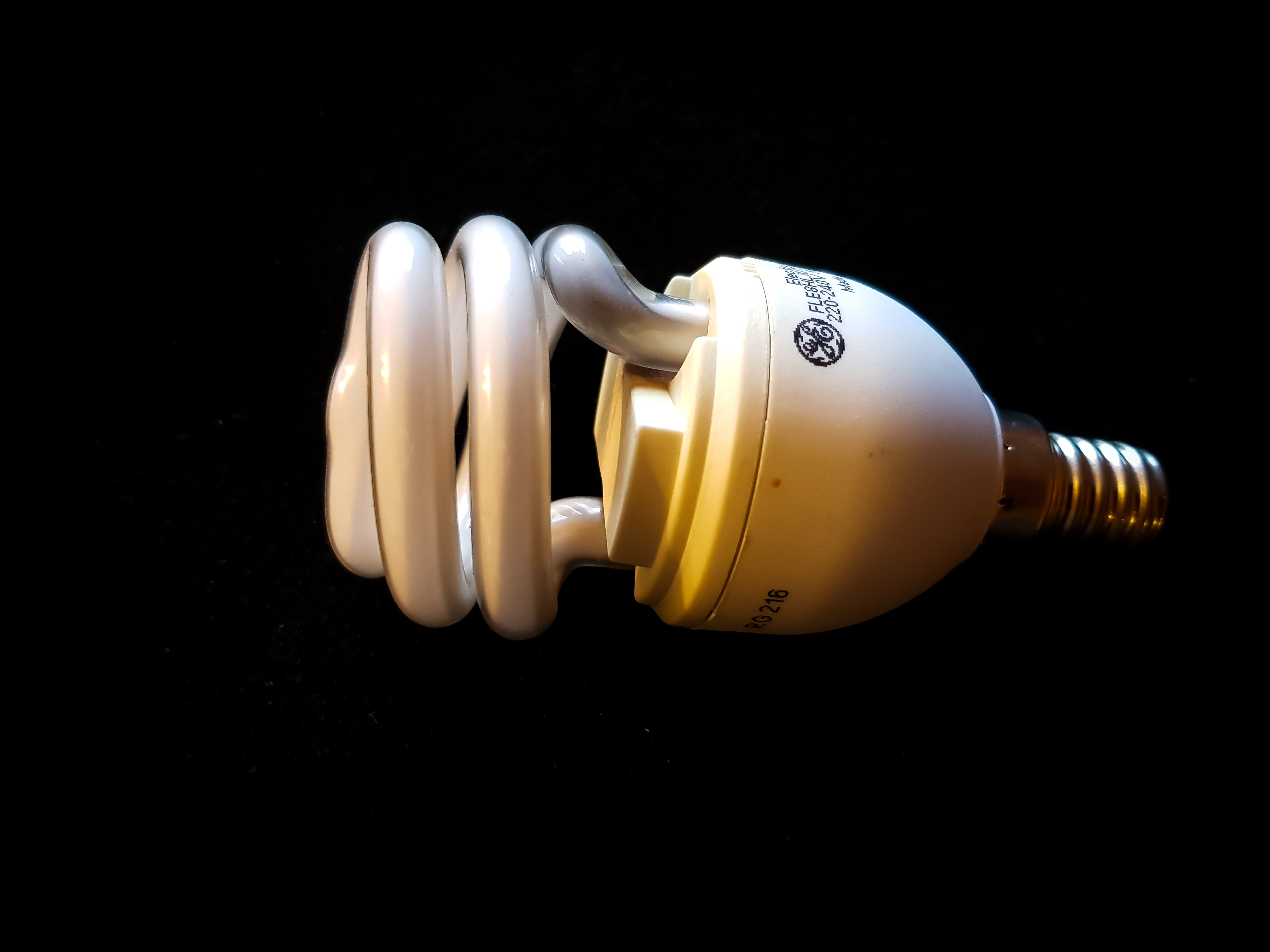
LED lighting is more energy efficient and costs less to run than incandescent or halogen bulb, so the savings pile up every year. LED bulbs such as those produced by company Philips use up to 90% less energy than old-style filament bulbs and last longer, eliminating the hassle of frequent bulb replacement. Additionally, smart LED bulbs can be controlled by smartphone apps, allowing you to schedule when lights turn on and off, saving more energy. The systems typically work with Alexa, Google Assistant and Apple Homekit. However, people might be put off by the cost. When Green Services Direct checked this week the price of a Philips smart LED bulb was £10 compared to £3 for a simple LED bulb – more than three times the price.
Households looking to save money on lighting costs should perhaps switch to LED bulbs rather than splurge on smart lighting. By swapping all the bulbs in your home with LED lights, you could reduce your carbon dioxide emissions by up to 55kg a year, according to the Energy Savings Trust. Lighting makes up 11% of the average UK household electricity consumption, so making the switch could help you save money too. In September 2021, halogen light bulbs were banned by the UK Government. Companies can still sell their old stock after this date, but manufacturing has stopped.
Eco-friendly cleaning gadgets
Human powered vacuum cleaners are zero carbon in use and can reduce the frequency of use of an electricity-powered vacuum, points out the Ethical Consumer website. Manual sweepers are also much cheaper at around £30. But if you are buying a corded vacuum look for one with a small motor with a lower energy consumption than the big models. Corded vacuums avoid battery problems. “The lithium battery creates environment and ethical problems during production and at end of life,” states Ethical Consumer. The website recommends vacuums from Beldray, Miele and Vax.
It’s tempting to buy the latest green gadget. But manufacturing electronics demands vast amounts of water and energy. Many “green gadgets” require rare earth minerals. And once you own it, the constant charging can drain the power grid. A lot of devices are designed to break or become frustratingly slow after a few years, tempting us to buy new ones. Most electronic waste isn’t recycled properly and ends up in landfill, causing toxic pollution. Before buying a shiny new “sustainable” gadget consider if it can be repaired and recycled. And research brands for devices that last.