
Thinking outside the (veg) box
Could the way we eat protect the planet?
Have you ever glanced into your supermarket trolley and been struck by the sheer volume of plastic packaging it contains? Corn cobs stripped of their husks (nature’s protection) and shrink wrapped. Strawberries in plastic cartons. Bags of salad leaves. Or perhaps you’ve wondered how many air miles those Spanish tomatoes have clocked up to reach the supermarket shelves or how much pesticide goes into growing everyday staples like potatoes or cabbage. If those questions sound familiar, it might be time to consider a vegetable box scheme.
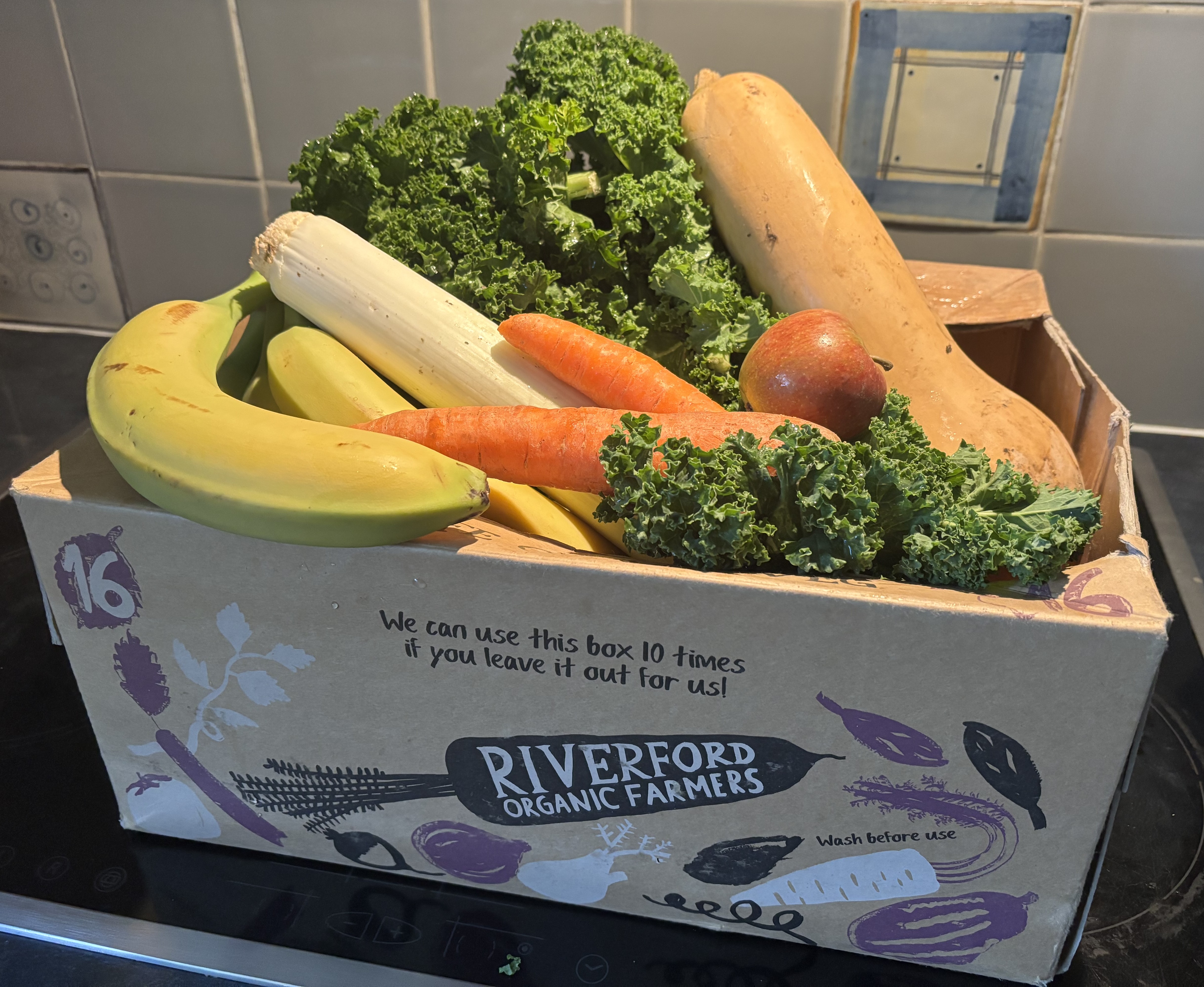
Veg box schemes vary
Having fresh fruit and vegetables delivered to your doorstep has multiple benefits. It’s healthy, convenient and supports smaller growers rather than supermarket chains. Many boxes offer organic produce - grown without artificial pesticides or fertilisers – and the contents are mostly seasonal too. Plus, plastic packaging is kept to a minimum.
Veg box schemes vary widely, so it’s worth doing your homework. Most providers offer set boxes, changing the selection week by week depending on what’s in season. This is fine for adventurous cooks, but it might leave you stuck with some veg you don’t particularly like or know how to use like knobbly celeriac or salsify. Some allow you to tailor your box – add extras, avoid items on your “dislike list” or even “build your own box.” Many also offer pantry staples as well as add-ons, such as meat, fish and eggs.
Take care to choose the right size box. Too small and you might still need a supermarket top-up. Too big and you risk leftovers – though you can always make soup. Remember organic produce can have a shorter shelf life. Meal planning helps to keep food waste to a minimum. Veg box prices and delivery charges also vary, with some companies offering free delivery.
Reduce food waste
As much as 40 per cent of food produced globally is wasted, say experts. When food is thrown away or left unpicked in the fields, all the water and energy used to grow it are wasted too. Much of this waste happens long before it reaches our kitchens.
Supermarkets reject large quantities of perfectly edible produce if it doesn’t meet strict cosmetic standards - wrong size, shape or colour. Or it might be the weather causes more crops to grow than predicted or orders got cancelled.
This is where Oddbox, one of the UK’s best known veg box schemes, steps in. The company speaks to growers each week to identify what is at risk of being wasted from cosmetically imperfect “wonky” veg to surplus crops. Oddbox then packs these in boxes delivered overnight to customers.
Working with around 100 growers in the UK and abroad, the company says it rescues everything from “curvy courgettes to dinky apples,” providing farmers with a reliable mission is to fight food waste rather than promote organic farming. While some of the rescued items might be organic, the boxes are not guaranteed pesticide-free or certified organic, secondary market. Each box contains recipe ideas as well as a short explanation of why items were rejected by supermarkets. While some of the rescued items might be organic, the boxes are not guaranteed pesticide-free or certified organic. Oddbox’s mission is to fight food waste rather than promote organic farming.
Eat organic, pesticide-free fruit and vegetables
There are other veg box schemes specialising in organic produce. “Organic farming works with nature to help restore a safer climate from the ground up,” explains the Soil Association. Organic veg box schemes include Riverford, Daylesford Organic, Abel & Cole, Organic Delivery Company, Isle of Wight Tomatoes and Hampshire Market Garden to name but a few.
Riverford, widely credited with pioneering organic veg boxes in the UK, is the longest established. Founder Guy Singh-Watson says on his website: “An absolute founding principle of organic farming is that you look after the soil and the soil then looks after and feeds the crop.”
Instead of selecting fruit and veg for their high yields and pushing them on with artificial fertilisers, the company prioritises taste. Slow, natural growing allows flavour to develop. Organic also means no artificial preservatives and colours or genetically modified ingredients.
Guy explains: “The four things that will determine flavour of vegetables and to a large extent their nutritional value are: what sort of soil they are grown in; variety is really important; how they’re grown - how much they are pushed on by fertilizer and water; how quickly after harvest you eat them and how they’ve been treated before reaching your table.”
He argues UK farmers supplying supermarkets have prioritised yield, uniformity and robustness in the packaging process over flavour. The most common variety of carrot grown in the UK, Nairobi tastes “horrible”, says Guy. “Its great virtue, you can drop it out of an aeroplane, it will hit the ground and it won’t break.”
Much supermarket produce spends weeks in cold storage – losing flavour and nutritional value - before reaching the shelves. “Buy directly from the grower and the veg comes to you faster,” says Guy. Because organic food isn’t allowed to contain any artificial preservatives it needs to get from farm to fork quicker.
All-British boxes
Many boxes include a mixture of British and imported produce. For example, in November an Abel and Cole organic box includes clementines from Spain, Fairtrade bananas from the Dominican Republic and red peppers from Spain, alongside UK-grown beetroot, butternut squash, carrots, green kale, leeks and potatoes.
“In an ideal world we would all eat with our local season,” Riverford notes. “Bananas, citrus, a 12- month supply of tomatoes, peppers and apples – these things can’t be grown naturally in the UK but have come to be viewed as non-negotiable essentials in most households.”
There are two options: growing out of season produce at home using artificial heat or importation. Importing can be the greener choice. Growing tomatoes in heated greenhouses in the UK can produce between two to ten times more carbon than trucking sun-ripened ones from Spain, according to a study by Exeter University.. Of course, if renewable energy is used to heat greenhouses instead of fossil fuels the findings may be different.
For those looking for low food miles, most companies offer all-British seasonal boxes. “This is home-grown, seasonal eating at its best, championing British farmers that put the planet first,” says Abel & Cole. “Our growers protect biodiversity on their farms, helping fight against the UK’s declining wildlife.” These boxes won’t include bananas or clementines or winter apples, but they do offer a true taste of what’s currently growing in the fields.
The Cotswolds Veg Box company is among those offering a mixed fruit and veg box, a British seasonal box and build your own box options.
Find your local organic scheme
National and regional veg box schemes operate across the UK. The Soil Association has a useful online map to help customers find local organic suppliers. Hampshire Market Garden, for example, is a not-for-profit aiming to show that healthy soil can protect our future. “From food security to climate resilience, we will demonstrate that caring for what lies beneath our feet is the key to a sustainable future,” says the community interest company, adding: “When you buy from us, you’re not just eating better, you’re supporting regenerative farming that builds healthy soil.”
It goes on: “We champion soil health as the foundation of a thriving food system, using organic and regenerative practices to produce high-quality, seasonal vegetables. Our mission goes beyond food production, we change communities through volunteering, education and outreach, helping people reconnect with nature and take part in building a fairer, healthier future.”
Planet friendly packaging and more
In addition to being filled with juicy fruit and crunchy veg bursting with flavour, a major benefit of veg box schemes is minimal plastic packaging. Most use returnable, reusable boxes. Riverford now uses sustainably sourced, home compostable packaging, saving 21 tonnes of plastic in a year. Most of the brand’s veg is popped straight into reusable delivery boxes and for anything that does need protecting, they use compostable packs. Customers simply leave empty boxes out for the delivery driver to collect. Riverford aims for all its delivery vans to be 100 per cent electric by 2025. Meanwhile Abel & Cole says customers will find at least 77 per cent less plastic in its fruit and veg boxes.
Many veg box schemes champion fair pay for farmers and support food charities. Abel and Cole, for example, promise for each fruit and veg box sold they’ll donate a portion of fresh, nutritious fruit and veg to those in need with One Box. Recipe cards - both in veg boxes and online – help customers make the most of their weekly delivery.
Of course, if you are lucky enough to have a garden or allotment, you can grow your own seasonal produce. But for many people, ordering a weekly veg box is a simple way to eat more high-quality fresh fruit and veg and do their bit for the planet.