
Switch On to Switching Off
When energy saving, what are the cheapest ways of doing this?
Whether you are looking to cut down your energy consumption to help save the planet or to cut down your bills, it seems that many energy saving solutions can be expensive. Headline grabbers like insulation, solar panels and heat pumps can all help our drive to be more environmentally friendly by cutting our energy usage but the installation costs require substantial upfront cash investment.
So before we start to look at splashing out on these big-ticket options, why not look at a few of the free ones? These may not deliver big savings individually, but packaged together can still make a useful contribution to help cut down our energy bills. You may think that when you switch off an electrical appliance you stop it using power, but that is not the case. Many modern appliances now have a ‘standby’ function, which allows them to be turned back on again quickly and easily, often with a remote control, without starting up from scratch. Appliances that have a standby facility will continue to use electrical power when they are in that mode allowing them to operate the logic that responds to remote commands.
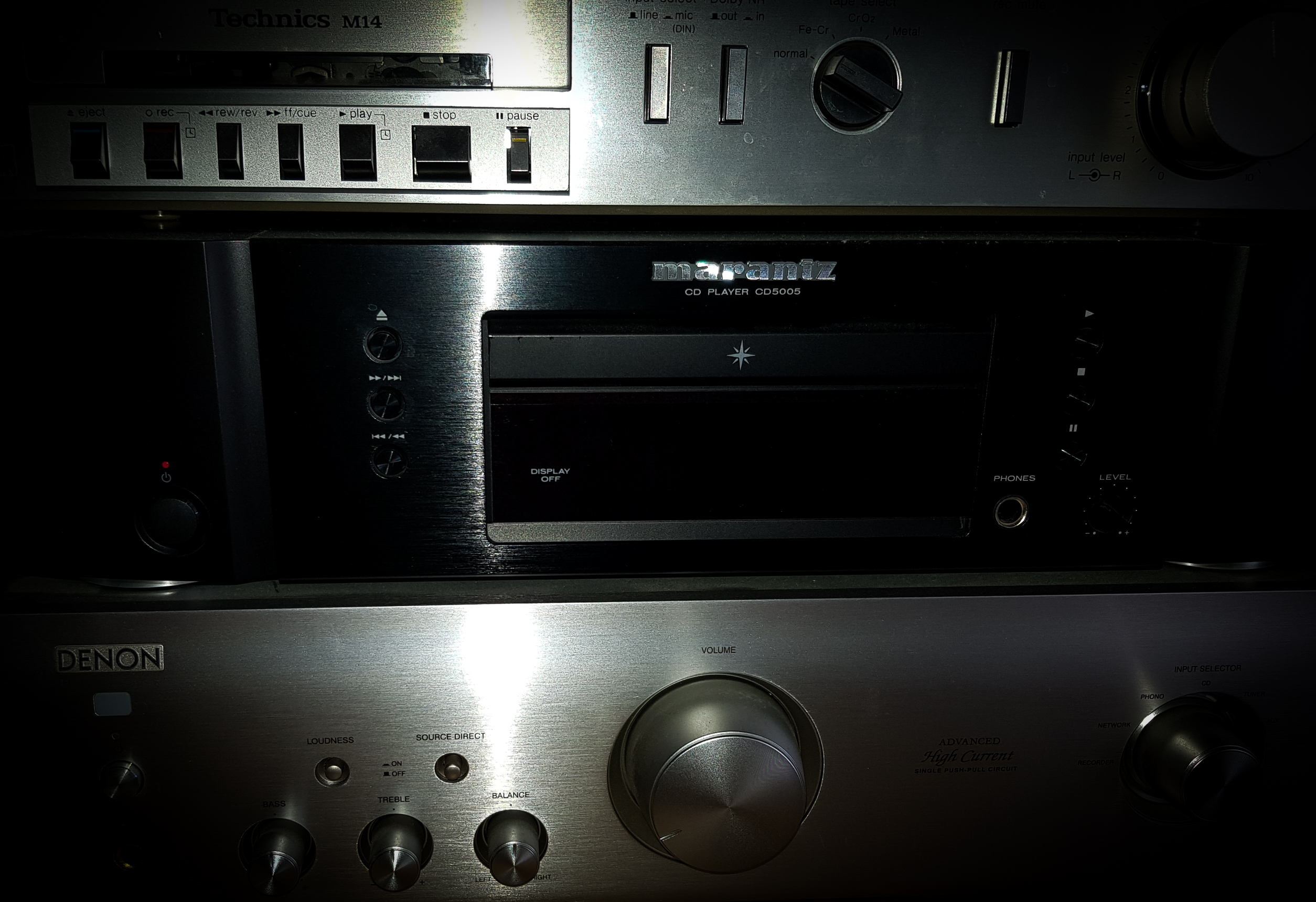
Firstly, look around your home for any appliance electrical goods which are not in use but are displaying an LED, normally red. That means that the equipment is on standby, not switched off. Take your television as a prime example, if it is not being watched but you can switch it on using its remote control, it needs to be able to receive the signal from the remote. It can do that when it is in standby mode and as such it is using electricity. The next time you turn off the television in the evening when you go to bed using the remote, look at the button on the remote. It is not an on/off button, it’s a standby button. That means that your television is on standby and using electricity all night while you are asleep in bed. If like most households you have more than one television then they will all be adding to your energy bills needlessly.
Computers and laptops are just as guilty if not switched off properly and left connected to their chargers when not being used. Similarly, your computer monitor if it is not switched off. Almost every home now has a computer, either for social media, internet searching or gaming. The past few years have seen a massive rise in home offices and working from home, which brings a whole new dimension to home computer capability and by association, energy wastage. Most home offices use laptops, these will be used in combination with one or possibly two large monitors, a printer, a router and a mobile phone charger. Mobile phone chargers only use a watt of power when remain plugged in even when not in use. The same phone charger will draw 4.5 watts of energy when left plugged in after your phone is fully charged. This applies to every USB cable. It uses a small amount of power when connected only to a power source, this increases when a devise is connected to it.
At this stage you need to choose between which kind of energy you want to save. Do you want the convenience of using remote controls to easily restart appliances and devices, which saves you physical energy or do you want to save money and electrical energy by ditching your remote and switching electrical goods at the wall socket. Always remember that if an appliance or device has a red light showing or a clock displayed, it is using power and costing you money.
Moving out of the home and into the garden, we have a choice between a corded lawnmower and a battery machine. Corded electric lawn mowers are connected to the domestic power socket using an electric cord. These mowers typically have a power rating ranging from 1,200 to 1,800 watts. The amount of power they use can vary depending on the cutting width, motor efficiency, and grass conditions. An average, corded electric lawn mower will likely consume approximately 0.7 to 1.2 kilowatt-hours (kWh) of electricity per hour of use.
Battery-powered electric lawn mowers operate using rechargeable batteries rather than by connecting to a domestic power supply. The power consumption of cordless mowers depends on the battery capacity and the mowing conditions. A typical battery-powered mower will have a power rating ranging from 500 to 1,500 watts. A fully charged battery will likely provide energy for approximately 30 minutes to 2 hours of mowing with each charge consuming around 0.3 to 1.5 kilowatt-hours (kWh) of electricity per charge. 1.2 kilowatt-hours (kWh) of electricity per hour of use compared to around 0.3 to 1.5 kilowatt-hours to charge for a two hour cut would suggest that the battery powered mower may be the most economical on power usage.
Electric Vehicles (EVs) are fast becoming the norm in many households, most of these are charged at home during the hours of darkness when most drivers are asleep. The most common means of home charging an EV is via a dedicated EV home charging point and this gives another opportunity to save power. EVs like most chargeable items will continue to suck power from source, even after it has reached maximum charge. A number of energy suppliers offer special EV tariffs with lower rates during the evening and through the night and this will in itself lower the cost of recharging. The market for EV chargers has seen a raft of smart chargers which will manage how the charge is administered, programmed to optimise when and how the vehicle’s battery is charged and stopping the charge as the battery nears full charge and disconnecting.
Many of these potential savings are small when looked at in isolation but when bundled together they can start to show worthwhile savings in both energy and money