
How low-carbon bricks can shrink your building project’s footprint
K-Briq promises construction industry a greener future
When most people think of “going green,” solar panels, heat pumps and electric cars usually spring to mind. But one area often overlooked is construction - yet the industry is one of the planet’s biggest polluters.
Globally, construction is responsible for around 11 per cent of carbon emissions, cement alone makes up 8 per cent. On top of that, over a third of the world’s landfill comes from demolition and construction waste. Tackling climate change and pollution requires a radical rethink of how we build.
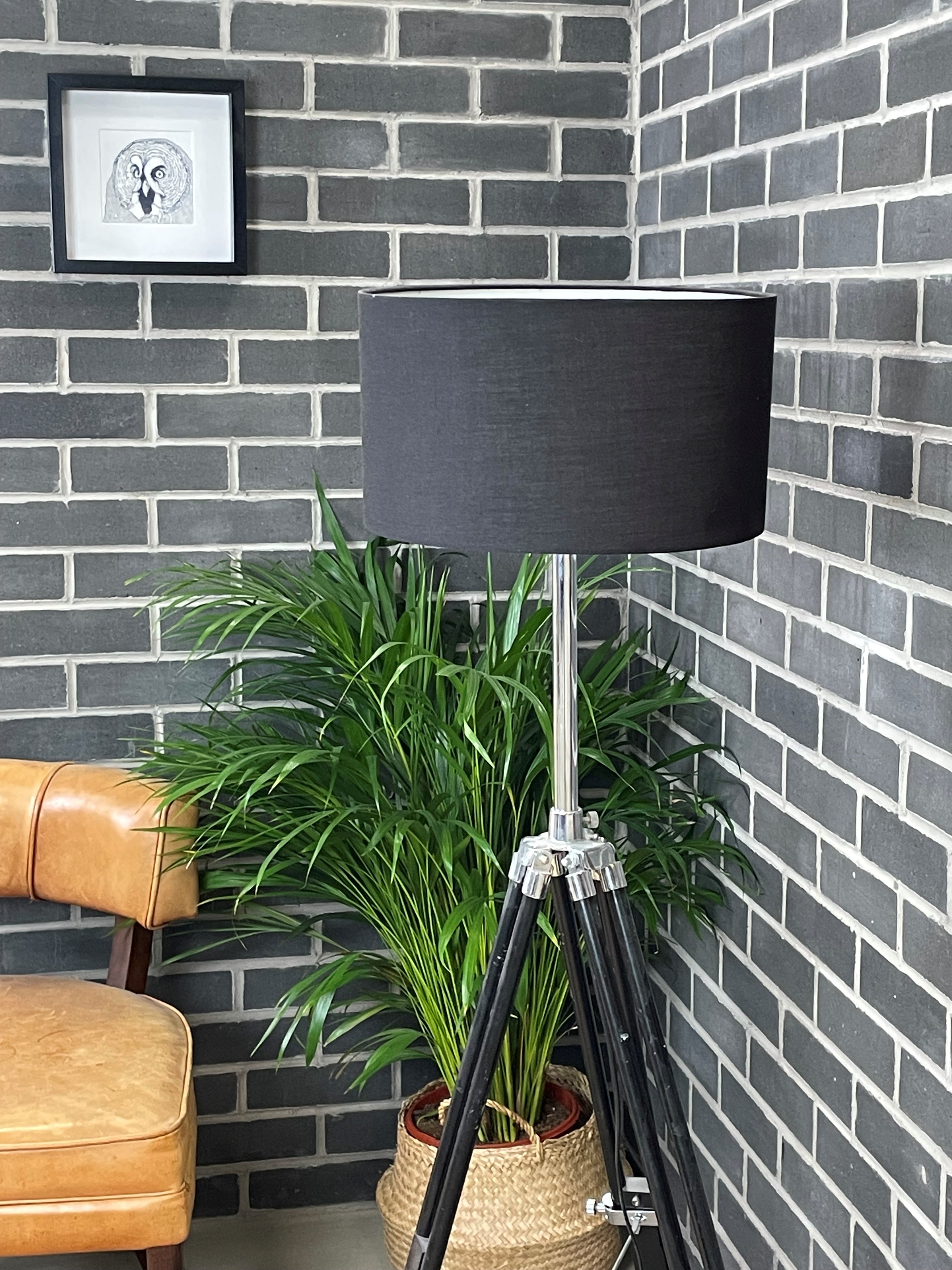 Medero Mixed Grey K-Briq. Image supplied by Kenoteq
Bricks: an ancient material with a modern challenge
Bricks have been used for thousands of years and for good reason. They’re durable, tactile and often beautiful. In the UK, around 1.3 billion bricks are produced every year.
They’re also sustainable - clay brick has a typical lifespan of 150 years, is made from natural, often locally sourced materials and is recyclable. But there’s a cost. Clay bricks are fired at over 1,000°C in kilns which is highly energy intensive. Clay, a finite resource, must be mined, processed and transported. Production releases greenhouse gases and harmful emissions.
Industry changes
The Brick Development Association notes the industry has largely moved away from high carbon fuels like coal, switching to natural gas. “Other low-carbon fuels, like hydrogen or electric firing, will be needed in the future to contribute to the UK Government’s net zero 2050 target,” it adds.
A pioneering project at Michelmersh, one of the UK’s leading brick specialists, is exploring replacing natural gas with hydrogen in clay brick making. The study to produce the world’s first 100% hydrogen fired brick, dubbed the Hybrick, is still in the research stage but aims to inspire decarbonisation across the industry.
The UK uses around 2.5 billion bricks each year with more than 500 million imported from overseas – adding to the carbon footprint of buildings. With demand for bricks high and the UK increasingly reliant on imports, achieving net zero by 2050 will require bold action. Put simply, every brick laid is part of a bigger picture.
Brick makers and researchers are stepping up to the challenge with circular approaches, such as recycling demolition waste instead of landfill, kiln-free curing and alternative cement-free binders.
K-Briq by Kenoteq
One of the most exciting new products comes from Kenoteq, a start-up company spun out of Heriot-Watt University in Edinburgh. The Scottish company’s K-Briq is made from 95 per cent recycled materials. The recycled aggregate comes from old rubble and bricks sourced locally to the factory combined with gypsum from waste plasterboard, explains Lucy Black, Kenoteq’s head of business development.
And the carbon savings are striking. As Black explains: “When compared to a traditional fired brick, the K-Briq produces at least 95% less carbon emissions.” This figure is based on Environmental Product Declaration (EPD) data. This is a separate calculation to the recycled content.
The recycled building materials are mixed with a non-toxic binder (described by Kenoteq as “our secret sauce”), compressed under high pressure and cured at low temperatures within drying chambers. The factory is powered partly by on-site wind power and a biomass plant.
BBA-certified facing/exterior brick
Unfired clay bricks—compacted and dried but not kiln-fired—are far from new. Civilizations such as the Ancient Egyptians, Mesopotamians and Aztecs built with sun-dried mud bricks, often mixed with straw. Traditional unfired clay bricks offer low embodied energy and minimal carbon impact but suffer from poor strength and weather resistance, limiting their modern use to non-structural, internal applications.
The innovative K-Briq, however, is a facing brick – an exterior grade brick. It matches the performance of fired clay or concrete bricks in mechanical strength, stability and fire safety, tests show. With a high frost resistance rating (F2), it can withstand even the harshest climates. In March 2025, the K-Briq achieved BBA (British Board of Agrément) certification, paving the way for insurance, mortgage, and warranty compliance. It is also certified for use in the USA, with European approvals in the pipeline.
The rubble brick is engineered to be attractive and robust facing brick. Black explains: “The variety of colours and tones is part of its market appeal. Across a batch there is subtle tonal differentiation ensuring a façade is not a solid block of colour but multi-tonal like a traditional brick wall.” Available in 14 stock colours, bespoke shades can also be ordered.
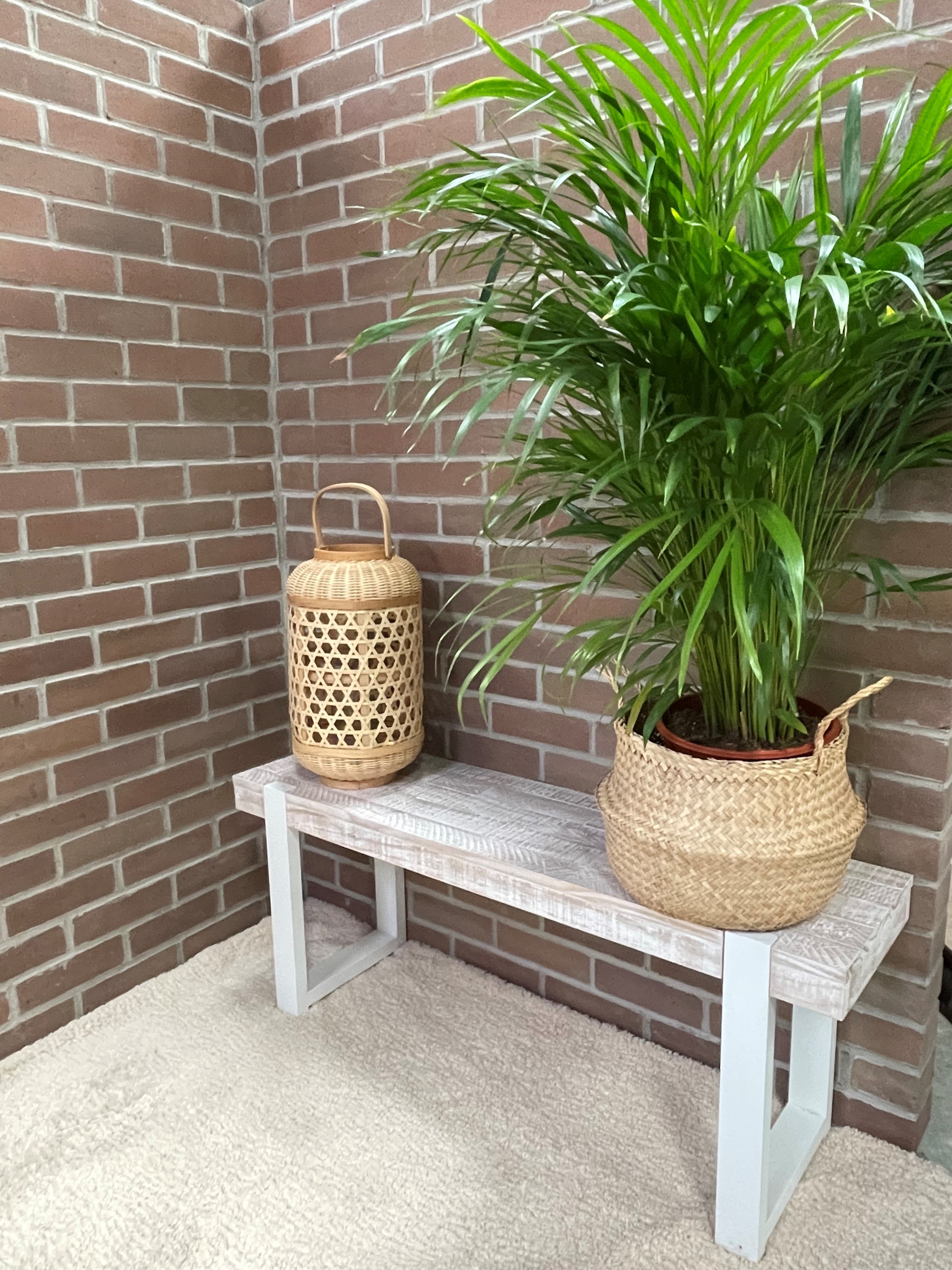 Chapman Burnt Orange K-Briq. Image supplied by Kenoteq
More than just a reconstituted stone brick
The K-Briq is more than just a reconstituted stone brick – it’s a sustainable building solution. As Black says: “It’s a circular economy brick made from recycled materials, saving excavation of new materials as well as construction waste from going to landfill and has a significantly lower carbon footprint (embodied carbon).”
Embodied carbon refers to the total greenhouse gas emissions associated with a building over its entire lifecycle from extracting, manufacturing and transporting materials to construction, maintenance and eventual demolition.
What about cost?
As a pioneering brick made from recycled materials, the K-Briq is currently more expensive than common clay bricks, says Black. However, it is competitively priced compared to speciality reclaimed, hand-thrown bricks or glazed bricks. “The extra cost is not overly significant for the volumes used in extension and interiors work. However, the embodied carbon savings are high,” adds Black.
As well as ordering from the manufacturer, K-Briqs can be bought online from B&Q. The K-Briq Medero (dark grey) is currently priced at £21.67 per m2 – correct July 2025.
Growing interest
Interest is growing from both the residential and commercial sectors. Black says the K-Briq has been “showcased at both COP26 and COP28 and won numerous awards” which helped generate interest from global architects as well as local developers. It has even been nominated for the prestigious Earthshot Prize.
Today, the K-Briq is being used in innovative commercial projects, bespoke new houses, home extensions and garden projects “often owned by architects themselves which is a compliment in itself,” Black adds. “We are speaking to mass housing developers, paving the way for when Kenoteq scales production to mass housebuilding levels over the next few years.”
Big carbon savings, low footprint
The potential impact is huge. For example, a standard two-bedroom house requires about 12,000 bricks. According to Kenoteq, switching to K-Briqs would reduce carbon emissions from around 5.46 tonnes to just 0.2 tonnes – the equivalent of taking a petrol car off the road for a year. Plus, it saves 25 tonnes of construction waste from landfill.
Kenoteq’s first factory in East Lothian, Scotland, wasn’t built with K-Briqs as they weren’t in commercial production at the time. However, Black says: “It would be our intention to use K-Briqs in the construction and retrofit of future factories.” With plans to expand production both in the UK and abroad, the K-Briq is set to turn today’s rubble into tomorrow’s homes.