
How to Calculate Your Carbon Footprint
How energy efficient is your home?
Every home impacts the environment, whether we realise it or not. Heating the UK’s 28 million homes accounts for around 18 per cent of our nation’s total carbon emissions with energy usage for lighting, hot water and appliances adding to the load. The average UK household emits 6-8 tonnes of planet-warming carbon dioxide (CO2) annually. Energy saving home improvements could cut millions of tonnes of CO2 emissions per year while slashing utility bills and creating a healthier planet.
What Is A Carbon Footprint?
From cooking a meal to jetting off on holiday – almost everything we do has a carbon footprint – shorthand for greenhouse gas released into the atmosphere. The dominant greenhouse gas is CO2 which is released when we burn fossil fuels in our homes. Other greenhouse gases include methane (CH4), nitrous oxide (N2O) and refrigerant gases.
Some carbon emissions are direct, such as those from gas or oil boilers, while others are indirect like emissions from purchased electricity. For context, a typical gas boiler emits 2.2 tonnes of CO2 per year. This is roughly equivalent to taking seven transatlantic flights between London and New York, according to analysis from the charity Nesta.
Steps to calculate your home’s carbon footprint
Start by gathering information about your home’s energy usage from utility bills. This includes electricity measured in kilowatt hours and litres for other fuels like heating oil. Then, use one of the many online calculators designed to estimate your household’s carbon footprint based on your energy use and habits – compared to the national average.
For a hands-on approach, try calculating it yourself. The general formula is greenhouse gas emissions = data multiplied by emissions factors. Use trusted sources, like the Environmental Protection Agency, for accurate emissions factors to do these calculations. Then sum the values from each activity to get your total footprint. The calculations are complex - online calculators will save you time and effort.
Get A Professional Assessment
For a professional calculation, consider hiring an accredited domestic energy assessor. Nasser Moffat, domestic energy grants assessor for Greener Solutions Group Ltd, explains: “Energy assessors help homeowners get an accurate picture of their current heat source and heat loss.” His company identifies energy-saving upgrades that might qualify for government grants, such as solar panels, air source heat pumps or insulation. After an assessment, homeowners receive a list of recommended improvements, including potential CO2 savings.
Moffat adds the biggest culprits for high emissions are outdated heating systems, such as are old back boilers, gas fireplaces, electric panel heaters, old non-condensing gas boilers, outdated oil boilers, open fireplaces and log burners. “These burn through a lot of fuel (directly or indirectly) which releases more carbon emissions into our environment,” he says.
Understanding Energy Performance Certificates
An Energy Performance Certificate (EPC) is a simple way to gauge your home’s carbon footprint and energy efficiency. According to the Royal Institution of Chartered Surveyors (RICS), an EPC provides a carbon dioxide rating and potential rating if improvements are made. For instance, a home currently producing 9.5 tonnes of CO2 a year could cut that to 5.5 tonnes with the right upgrades.
Homes are rated on a scale from A (the most energy efficient) to G (the least efficient). Most homes in England and Wales fall into category D, indicating average efficiency and usually benefit from improvements. The EPC assessment includes heating systems, insulation, window glazing, wall thickness and whether the flooring is solid or suspended timber (with cold air running beneath). Assessors use tools, such as iPads with energy efficiency software, geo-tagging camera, a tool to measure depth of loft insulation and a drill and remedial hole filler to assess cavity wall insulation. Moffat quips: “This is often while negotiating excited pets wondering what we’re up to but unfortunately we can’t list them as an energy source!”
At the end of a room-by-room survey, the data is number crunched to give an EPC rating and carbon footprint. Plus, a list of actionable points, such as adding loft insulation, draught proofing, replacing an old boiler, or upgrading to double-glazed windows. The EPC report also estimates potential energy costs and savings over three years.
Grants to Reduce Your Carbon Footprint
Before spending on green upgrades, check if you qualify for government grants. The website www.energygrantfinder.co.uk will identify if your home is eligible for grants to pay for energy saving home improvements and provide a free retrofit assessment worth £295. “It is a really helpful service,” says Moffat. Many people are unaware of how much grant help is available, he adds.
Asked about the biggest misconceptions people have about reducing their carbon footprint, Moffa says: “That it costs a lot of money.” For example, the Great British Insulation Scheme (GBIS) and Boiler Upgrade Scheme (BUS) offer funding for many households. To qualify for the GBIS, a property must be in council tax bands A-D in England, A-E in Scotland or A-C in Wales. Only those with a low EPC rating below D will qualify.
Regarding the best tools for people to track or calculate their carbon footprint, the energy assessor says: “If a grant is not an option, then paying for an EPC assessment, taking action on the recommendations and using a smart meter can help track day to day usage.” Check if your property already has an EPC by looking on the government’s EPC Register www.gov.uk/find-energy-certicate
Reducing your home’s carbon footprint
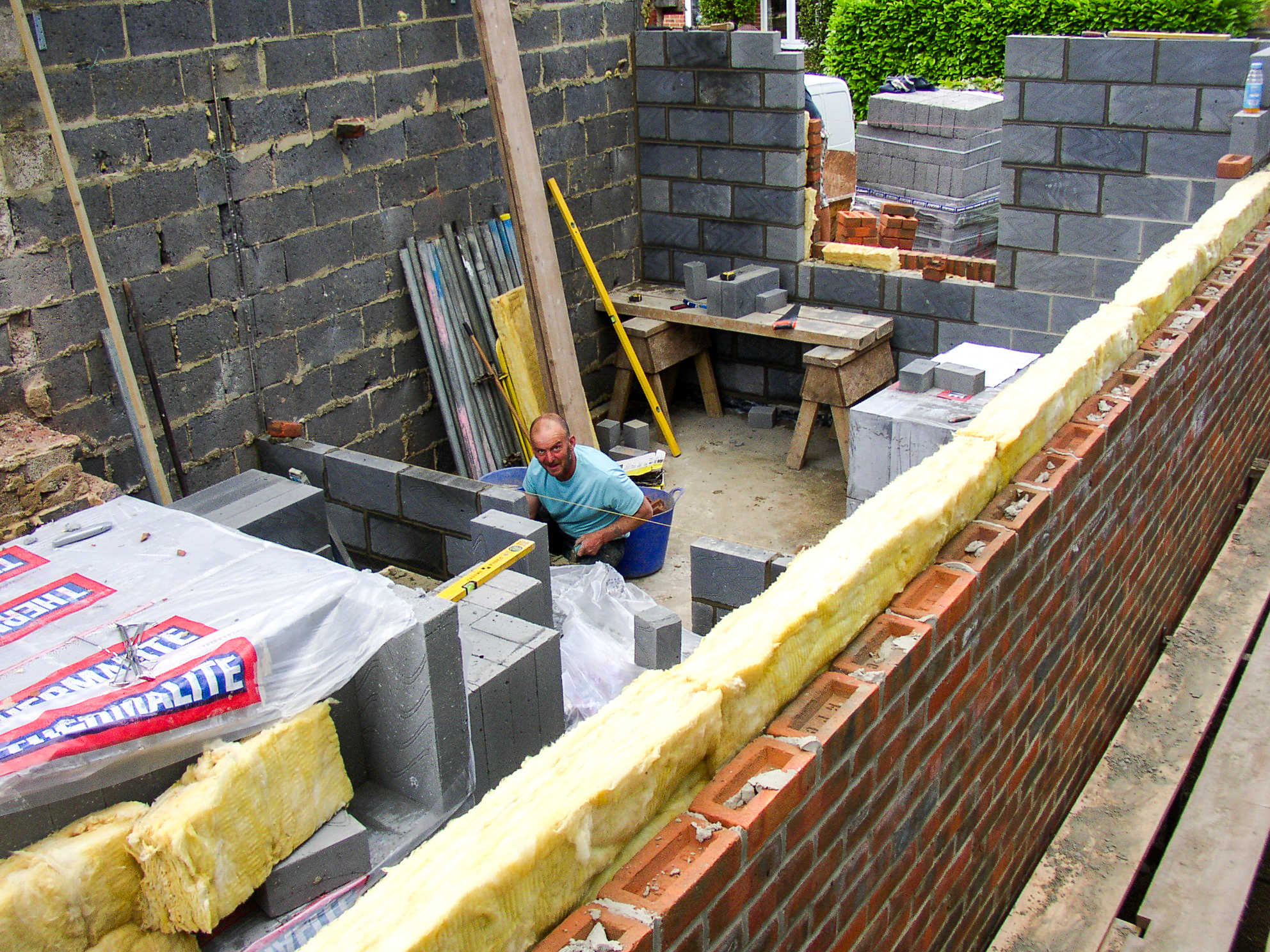
From small changes to significant upgrades, there are many ways to reduce your home’s carbon footprint. Simple habits like switching off lights when not in use, shorter showers or turning the thermostat down by a degree, can make a difference. Moffat emphasises the importance of insulation. “Some homeowners have good boilers, but no cavity wall or loft insulation and heat escapes quickest from those areas. I would say insulation makes the biggest difference and should be prioritized even if you have an old boiler.”
For bigger changes, renewable energy systems like solar panels and air source heat pumps reduce reliance on fossil fuels and generate clean energy. “The best results in reducing emissions come from insulating the walls, loft and floor and by installing efficient heating systems, such as replacing electric wall heaters with new ones supplied with electricity by solar panels, almost free electricity. And by replacing an old back boiler/non-condensing gas boiler with a properly installed air source heat pump or an A-rated gas combi boiler,” Moffat advises. These measures not only reduce emissions but also make your home warmer and more comfortable.
Choosing An Energy Assessor
If you decide to hire an energy assessor, ensure they are accredited by a scheme like Trustmark or ECMK. “These assessors are not only qualified, but are DBS checked, meaning whoever enters your home does not have a criminal record,” says Moffat. “All accredited energy assessors have to do continuous professional development training every year to keep on top of the latest innovations that helps homeowners and tenants achieve our shared climate goals.”
Green upgrades can increase your home’s value. According to the Mortgage Advice Bureau: “By implementing more eco-friendly solutions throughout your home, you can raise the value of your property. Homebuyers are increasingly placing importance on eco-friendly homes, and so making green changes can pay off for the environment and your pocket.”