
Home Charging an Electric Vehicle
Having the ability to charge your electric vehicle at home is essential to cut the running costs of the vehicle and make ownership more enjoyable. It means you have not only got somewhere reliable to recharge the vehicle but it also gives you access to cheaper EV (Electric Vehicle) rates of electricity. These lower rates not only cut the running cost an EV, but offer the same lower rate to all electricity usage in the household, typically between the hours of 11.30 in the evening to 05.30 the following morning. By setting the timers on your heavy users of electricity such as washing machines or dishwashers you can enjoy the added bonus of substantial savings on your domestic usage.
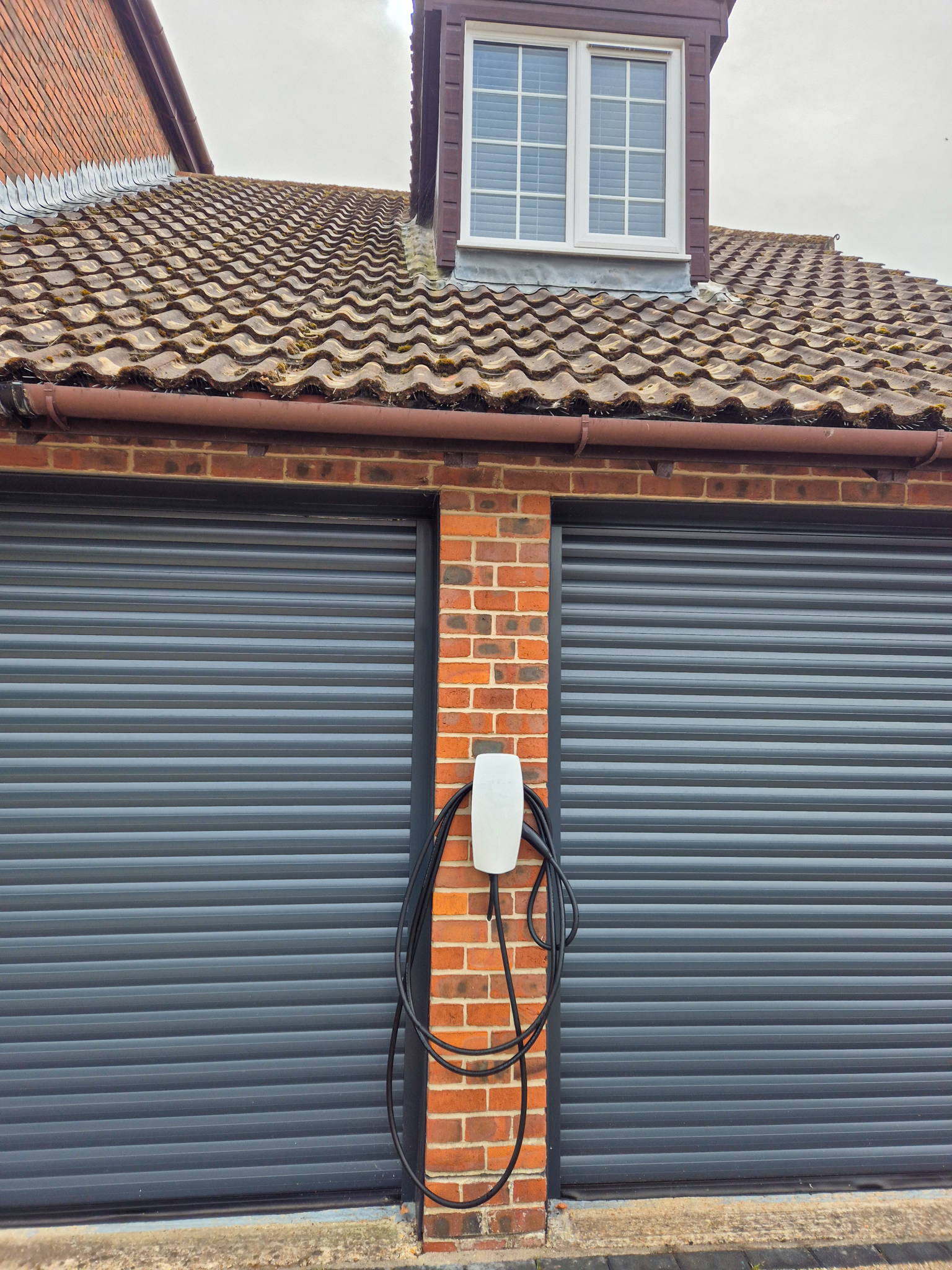
Having the facility of charging your EV at home means having a home charger installed. However, before you go about getting one installed there are a number of issues you need to resolve and some of these are dependent on the type of property you live in.
There are two types of home charger, tethered and untethered. A tethered unit comes with an integral cable which is permanently attached to the box and you do not have to worry about buying a separate cable. An untethered unit, sometimes referred to as universal, does not have a cable attached and is designed to be used with a separate cable which is compatible with the charger and can be stored in the vehicle. Most EVs are sold with a cable, which stows away easily into the boot of the vehicle, although most drivers prefer the ease of a tethered unit at home. It is also worth noting that most public fast charge points are tethered.
A standard EV charging cable supplied with an EV home charger is typically 5 meters long. However, they are available in various lengths, ranging from 4 to 8 meters. Cables longer than 8 meters or more are available, but these are less common, more expensive and in practical terms, heavier to handle. You will be given a choice of cable length when you order an installation, so ensure that the length you request is adequate for your needs. Most UK and European EV’s use what is referred to as a Type 2 charger connection but until recently most Asian manufacturers favoured a Type 1 connection although most of these are now reverting to the Type 2, so it is important to check your vehicles specific requirements.
A standard home charge point delivers around a 7kW of charge and will be adequate to fully charge a typical EV overnight. For those requiring a faster charge, there are options which can deliver up to 22kW of power, which will fully charge an EV in around five hours. A 7kW charger will connect directly to a normal domestic power supply, whereas a 22kW charger will require a three-phase power supply which is not standard in most UK homes and may be expensive to install.
A driveway is ideal. It makes the installation of a home charger fairly simple and means that you will always have access to your charger. If installing it on the outside wall of your house, ensure it is sited in a position that gives easy access to your vehicle’s plug-in socket when it is parked on the drive, without stretching the cable. You do not require local authority planning permission to have a charger installed on your property, although you would need a certificate of conformity from the installing engineer.
There are other solutions if you don’t have a driveway. If you live in a terraced property and have no space for off road parking, there are products on the market which allow a rubberised trench to be laid into the pavement allowing a cable to be run out to the car without causing a trip hazard. You may need to speak to your local authority to get their permission to have this installed.
If you live in a flat, then your options are more limited. There may however, be incentives for flat owners or tenants to help with the cost of installing a charger. If you’re renting your home, you will still be able to get a charger installed, but you’ll need your landlord’s permission before starting any installation.
In most cases you will have the choice of procuring your home charger from either the manufacturer or a supplier, such as an electrician or you may elect to use your electricity supplier as part of your move to a special EV tariff. Your charger supplier will normally fit the unit for you and may ask for a description of the position of the consumer unit as well as where you would like the charger fixed to the wall. They may also ask for some photographs of the area for clarity and some may in fact come round to see the site before the installation date. This will allow the installers to see how best to install the charger and what tools and materials they will need.
It is not unusual for the charger to be sent to you by post prior to the agreed installation date. Installation of the charger requires an armoured cable, run from your consumer unit through your wall to the outside and then to the area where the charger will be sited. Fitting the charger should take around three to four hours, possibly longer depending on the complexity of your property and any issues that may arise. The engineer will probably shut off your home’s electricity for a short period.
At the time of writing, most government financial incentives including any offer of a free charger and installation once on offer to buyers of EVs have been withdrawn, although it is always worth asking your EV supplier if they can offer either a free charger and installation or a discount off the vehicle to cover the cost. On average the cost of a standard charge point installation with a 5 metre Type 2 cable on a domestic driveway should be around £1000. This may vary if there are any complications or abnormalities in the installation. Costs for other installations as described above will be higher and cost estimates should be sought from more than one supplier or installer.