
The future is electric cars – who is plugged in and who’s left out?
What are the roadblocks?
Electric cars are no longer a novelty in the UK. More than a million are on the road – but the public charger network is struggling to keep up. With the 2030 ban on the sale of new petrol and diesel cars looming, the race is on to fill the gaps. And while some drivers have found the transition to electric easy, others are at risk of being left out.
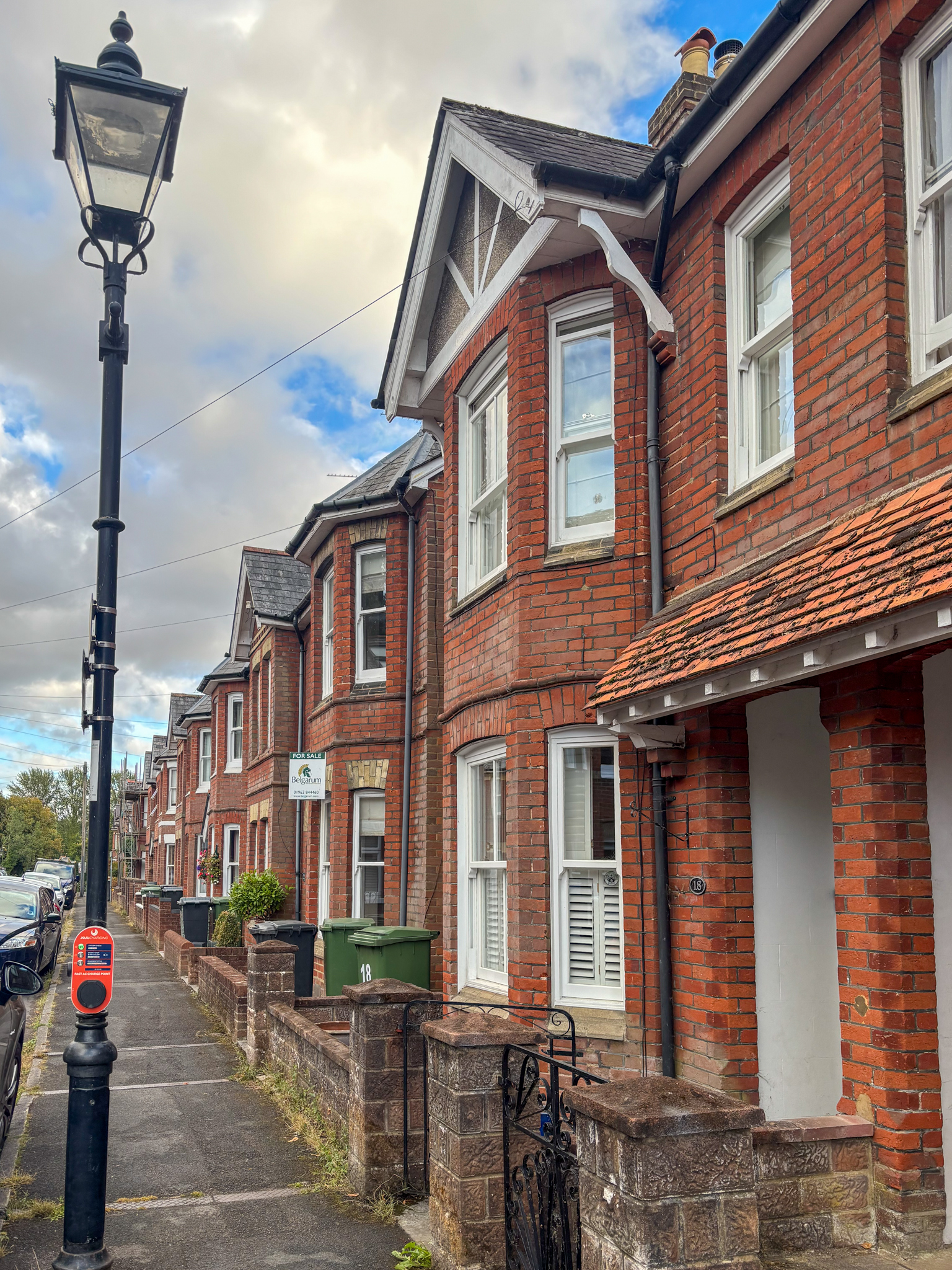
Gaps in the charger map
By July 2025, the UK had 82,000 public charge points, up 27% in just a year, according to the latest government figures. This includes on-street lamppost chargers, bays in motorway service areas, petrol stations and shopping centres.
But there are stark regional divides. London is streets ahead of the rest of the country with 275 public chargers for every 100,000 people – more than twice the national average. West Midlands follows with 127 and the south-east has 109.
Bottom of the table is Northern Ireland with just 36 public chargers per 100,000 people while the Northwest, Yorkshire and the Humber each have 75. This means drivers in London can happily zip around in electric vehicles (EVs) but elsewhere “range anxiety” remains real.
The car industry is growing frustrated too. Car makers are legally required to sell more electric cars every year, but with gaps in the public charger network, drivers are hesitant to buy them.
The Government is aiming for 300,000 public chargers by 2030. Councils have been promised £381m under the Local Electric Vehicle Infrastructure (Levi) fund to install thousands more chargers over the next two years.
Take of two tribes: the have-drives and the have-nots
“Britain’s car owners are split into two tribes: the have-drives and the have-nots,” quips motoring journalist Jasper Jolly in a Guardian article. He makes the point that EV owners with driveways can charge at home far cheaper than those without who rely on public chargers.
Charging at home on an off-peak tariff can cost as little as 8p a kilowatt hour (kWh) compared to 53p per kWh for electricity from public chargers, according to Zap Map. The higher cost of public charging is partly due to VAT rates of 20% compared to 5% on domestic electricity, penalising those who don’t have driveways.
For those in flats, terraced homes or rented properties, running a cable across the street is illegal. A start-up called Nodum came up with a clever lamp-like arch that hangs a charging cable safely across the pavement but it’s not yet in production.
“The UK won’t grow its EV economy without cutting the VAT on public charging or being seen to support EV drivers without driveways,” said former Top Gear presenter Quentin Wilson who founded the campaign group FairCharge.
The purchase price problem
Cost is another big barrier. The average new petrol or diesel car costs between £19,000 and £32,000. For EVs the price is far higher. For example, the UK’s bestselling EV car, the Tesla Model Y, starts at £45,000, rising to £60,000.
As Robert Forrester, chief executive of the car dealership group Vertu Motors, writes in a blog: “With the average new electric vehicle now costing close to £49,000, the market has drifted away from the everyday motorist.”
That said, the picture is beginning to change. Chinese EV manufacturer Leapmotor has priced its To3 at £14,495, calling it “the UK’s most affordable five-door electric city car.” Renault’s reimagined electric 5, Citroen’s e-C3 and Hyundai’s compact Inster are all marketed as affordable options.
The Government is also stepping in with a new £650m subsidy scheme, cutting the price of some EVs by up to £3,750. The aim is to bring the upfront cost closer to a petrol car. “Encouragingly, the grant is not a blunt instrument,” adds Forrester. “It now features two bands: £3,750 for the most sustainably produced cars and £1,500 for vehicles that meet some but not all environmental criteria. The green transition must be holistic – not only about emissions on the road but also how the vehicle gets to the road in the first place.”
Lack of disabled access at public chargers
A recent report by a Parliamentary spending watchdog criticised the rollout of EV chargers across the country as not only “patchy” but also ignoring the needs of disabled drivers.
The report published by the Public Accounts Committee (PAC) in March 2025 found that disabled drivers are deterred from using EVs due to the location and setup of charge points. There is not a single charge point in the UK that is fully compliant with accessibility standards which the Department for Transport established with the Motability Foundation charity more than two years ago.
Heavy cables, awkwardly positioned bays and tight spaces makes charging difficult for those using wheelchairs or walking aids, for example. The report warns of the “serious injustice” baked into the system, leaving disabled motorists behind in the switch to electric cars.
In a report to the PAC, the Motability Foundation, said: “Without action to address the challenges and barriers to EV charge point accessibility, significant numbers of disabled drivers risk being excluded from the transition to EVs. This transition will only be successful if it is inclusive for all.” With about 16 million disabled people in the UK - more than one fifth of the population – this affects a lot of people.
Government insists it is investing heavily - £381m has been promised to councils to install new charging infrastructure. But the PAC committee found the EV charge point rollout has been slow, resulting in regional divides, inequalities for different driver groups and a shortage of ultra-rapid charge points at motorway service areas.
PAC chairman, Geoffrey Clifton-Brown, said: “It is welcome to see the EV charging rollout beginning to ramp up. With all the implicit benefits that bearing down on emissions will bring. But this rollout is not taking place equally across the nation.” He added: “Drivers need confidence that they can use an EV without any risk of getting stranded, or they won’t make the switch.”