
The Energy Dilemma
The increased cost of living in the UK seems to constantly be the number one topic of conversation and a major cause of concern for most households. We see food prices on the supermarket shelves increasing, building materials costs going through the roof, petrol and diesel prices hitting all-time highs at the pumps and our domestic energy bills showing increases in both gas and electricity. All of these, will push up inflation, which in turn may well increase bank interest and mortgage rates.
Any upward movement in energy prices has an effect on prices across the board. An increase in petrol and diesel prices pushes up the price of most items, as higher costs like manufacturing, transport and packaging are passed on to the consumer. On the other hand, if we see a drop in energy prices we are liable to see prices for everyday items fall. It is volatility in the world oil and gas markets that causes disruptive peaks and troughs in the UK economy, with all the attendant rises in inflation, interest rates and cost of living. In the last decade, two major disruptive spikes in energy prices have been as a result of wars involving major oil and gas producing countries.
We have all had advice and guidance on what measures to take to cut down our energy usage in and around our homes and in the workplace. The size of our energy bills at home depends mainly on two factors, the unit cost of our gas or electricity and the number of units we use. If we take the good advice we have been given on how to use less energy, we should be using fewer units, but the unit cost to us is not something we can influence directly. We could however, lobby the supply chain to look at buying energy smarter, which would bring down the unit cost to us.
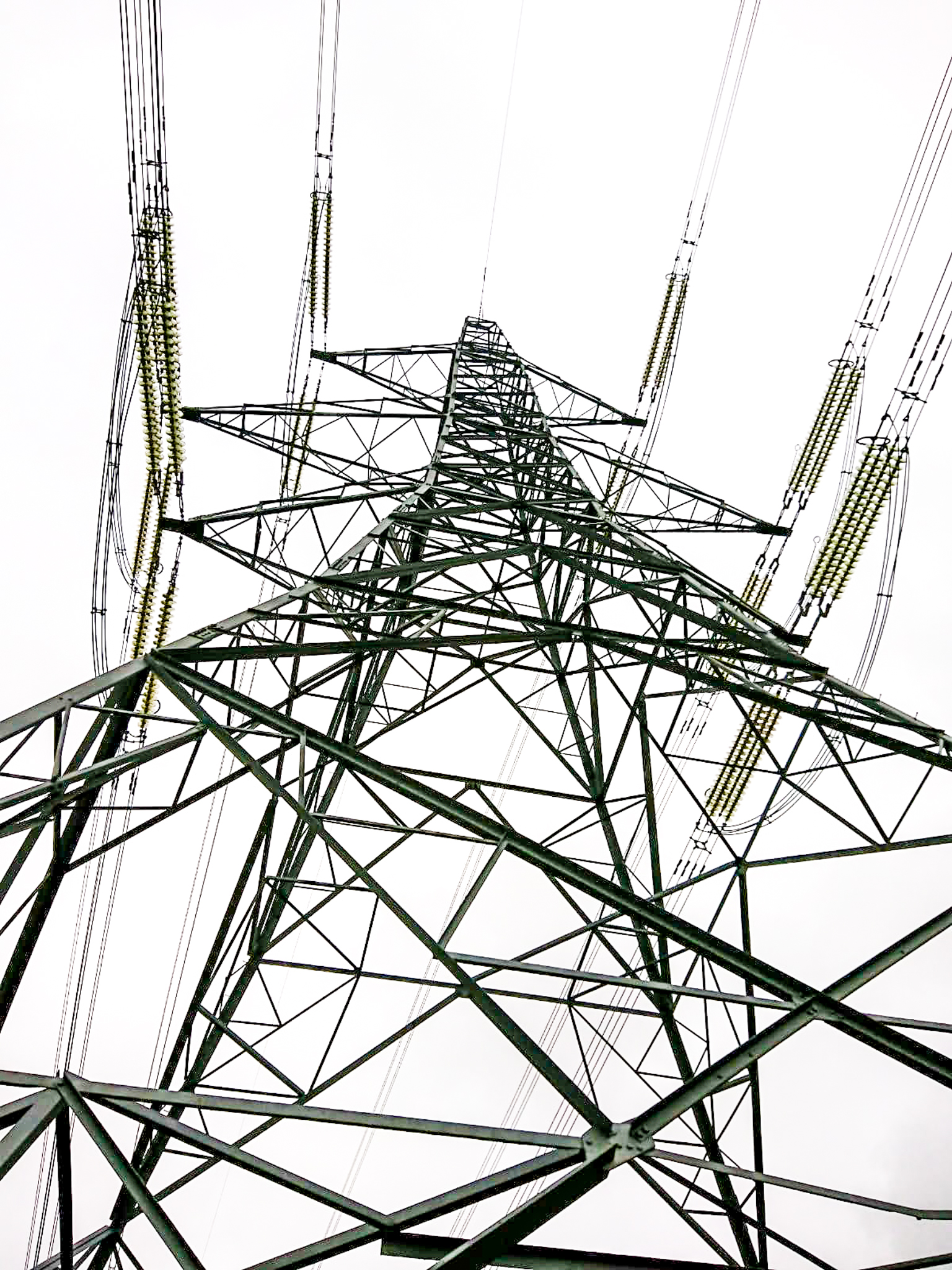
A substantial amount of the UK’s aging power generation and transmission infrastructure is being decommissioned or downgraded, as it is now obsolete and in need of replacement. Couple that with the increase in electricity demand which is a result of a general move away from fossil fuels to greener, renewable energy sources such as electricity generated in the main by wind or solar.
Filling the gap in power demand will not happen overnight. Despite an ongoing build programme of mainly wind farms and solar panel installations, the UK produced just over 50% of its energy requirements and in 2024, imported around 44% of its total energy consumption. Gas and wind combined produce around half of our electricity with around 15% of our electricity being imported from Europe via interconnectors
The UK presently imports approximately 70% of its gas supply, with UK North Sea production producing around 30%. Norway is the primary source of imports via subsea pipelines, while Liquefied Natural Gas (LNG) is sourced largely from the US. Our dependency on imports has risen and will continue to increase as UK North Sea production is allowed to decline in the short to medium term. The decline in UK North Sea gas production has been as a result of government decisions to buy in gas to meet demand rather than continue to produce our own from already detected gas reservoirs.
Buying in our energy is a risky strategy and while it is appreciated that we will always have demand levels higher than our production capacity we should do all we can to limit our energy imports. Importing energy is expensive. As has been proved recently, security of supply can be a major issue and the UK can find itself facing massive price rises and supply shortages as a result of wars and political situations which Britain has had no active part in.
Gas prices, set in the international market, have soared recently and as gas is still a major fuel used in the generation of electricity, this will have a knock on effect on electricity prices. In recent years, a major subsea gas pipeline supplying Europe was sabotaged and more recently supplies of crude oil and Liquefied Natural Gas (LNG) have been subjected to a shipping blockade stopping delivery of these to consumers across the world.
On a brighter note, one of the positive effects of global warming reflects the fact that the UK Met Office was able to confirm that 2025 was the UK’s sunniest year on record. One growing carbon free source for generating electricity is solar, which is now providing nearly a third more of our electricity than it was in 2024. This will once again help to lessen our dependency on imported energy while helping reach our target of nett zero.
UK governments have a legal commitment to reach full energy independence across all sectors achieving a net zero by 2050. This would be achieved by rapidly expanding wind and solar generation to eliminate reliance on imported natural gas. The government's plan targets 95% of clean electricity from wind, solar hydro and nuclear by 2030, reducing our reliance on the volatile international fossil fuel market. These moves will eventually end our reliance on an increasingly unstable international market.
Bringing on a new gas field in the North Sea, from early planning stages to commissioning, can take fifteen to twenty years on average and cost upwards of £150million, even for a small development, so with a net zero target of 2050, this route might not be a very helpful solution. It would do nothing to reduce our carbon emissions, even beyond 2050, nor would it ease our dependence on imported gas. Had some of these new fields been addressed a decade or so ago, they might have helped alleviate present supply security issues. Hindsight, however is a very exact science.