
The Case for Liquefied Natural Gas
LNG has seen a huge rise in worldwide demand due to a number of factors, but what is LNG and why is it now in so much demand?
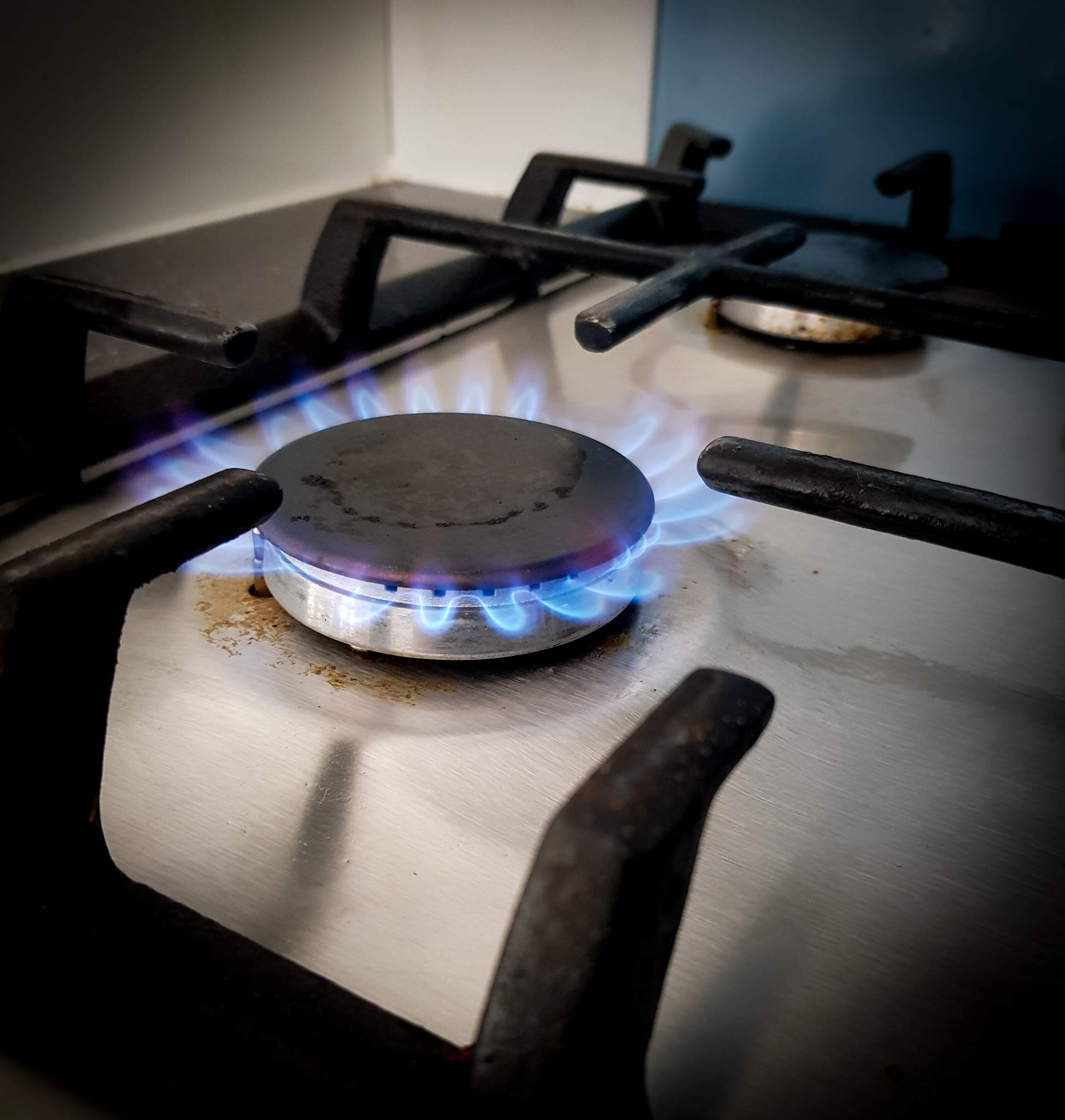
Despite the threat of global warming and the much heralded moves from fossil fuels to renewables such as solar and wind power, there is still a huge worldwide demand for gas. This will remain high for quite some time to come, which is why QatarEnergy, one of the world’s main supplier of LNG, is increasing their fleet of gas carrying ships from 69 to 200.
With the possible exception of the USA, natural gas is very rarely found in highly populated areas of the world, which means that once extracted, it needs to be exported to a larger consumer market. Gas exporting has in the past been done by utilising, often long pipelines crossing international boundaries and passing through a number of countries before reaching the eventual end customer. Europe employs a number of relatively short Interconnectors to move natural gas. There are three subsea reversible Interconnectors linking the UK and Europe and a fourth linking south-west Scotland with Ireland.
This network of gas pipelines has obvious advantages, but these positives, particularly the ability to cross borders, can be turned into negatives very quickly at the whim of a hostile government. The Russia/Ukraine war is a prime example where Europe introduced sanctions against Russia and in retaliation, Russia closed down ready access to Russian gas, which the European market relied on very heavily. Russia has also attacked a subsea gas pipeline which provided gas supplies to Europe.
As the political situation continues, and the reliance of the West on natural gas supplies remains high, European countries have had to look for alternative sources for this important commodity, and are now looking to replace eastern bloc gas by importing Liquefied Natural Gas, referred to as LNG.
LNG is, an odourless, gaseous mixture of hydrocarbons which contains 85 to 90 percent methane. This is fed through what is referred to as a liquefication train where refrigerants are compressed and then made to expand rapidly, which lowers their temperature to super cold levels, eventually cooling the gas to around -162°C. This cryogenic process condenses the gas into a liquid. As a liquid, LNG takes up around 600 times less volume than gas, allowing much easier transportation over long distances without the need of pipelines.
The resulting LNG is stored in specialised, insulated tanks at around atmospheric pressure to keep it liquefied till shipment. When LNG reaches its final destination, it is regasified and distributed through normal gas pipelines.
The United States is the world's largest exporter of LNG as of 2024, and has more than doubled its LNG exports to Europe over the last few years. It delivered 46 million tonnes in the first nine months of 2022, compared with 22 million tonnes in 2021, Australia is the second-largest supplier of LNG. Looking at Qatar on a world map would not suggest that such a small country would be the world’s third largest LNG producer. QatarEnergy LNG operates 14 LNG trains with a total annual production capacity of 77 million tonnes. Historically the world’s leading producer of LNG, it is now the third-largest since the United States has increased export production and large offshore gas fields in Australia have come onstream. South Pars, located offshore in the Persian Gulf, is the world’s largest gas field and is jointly owned by Qatar and Iran on a two thirds, one third split, with the majority of the LNG produced from the field being sold to either Japan or China on long term contracts
Most LNG is sold to the market on long term contracts stretching over a number of years and it would require a substantial increase in production to allow producers to fill short term demand such as were brought about by Russia cutting gas supplies to European countries. Australia was able to increase production with new fields coming onstream but were committed to supply most of their production to the Asian market on long term contracts. Europe’s main saviour has been large scale LNG imports from the United States
Liquefied Natural Gas, mostly from the United States, now accounts for 40% of all EU countries gas use. LNG also makes up around 50% of all the gas which the UK imports, and is again, mostly from the US. This gives the United States a great deal of sway in the European LNG market.
There are more than enough natural gas reserves across the world to meet the demands of the current market, with new gas reservoirs still being discovered and an adequate number of LNG gas carrying ships, either in service or in construction, to transport the gas to the customer’s doorstep. The problem now being faced by the buyers of Liquefied Natural Gas, is the severe lack of regasification terminals, particularly across Europe. LNG is transported in LNG carriers at -162°C and requires to be regasified before it can be used. This has led to a situation where there are LNG carriers moored offshore in the seas around Europe from Spain and Portugal in the south, to Germany, Holland and the UK in the north, waiting to get access to regasification terminals.
Most European countries were buying quantities of LNG before Russia cut off their main gas supplies but this sudden, enforced demand for LNG has seen most European gas users franticly building regasification terminals, but as yet their regasification capacity is still well below what their LNG demands.
With the recent political and military actions in both Europe and the Middle East, the extra supplies of LNG have helped to stop gas prices climbing even higher than they have. The United States, Australia, and Qatar together account for around 60% of all global LNG exports. Despite international sanctions, Russia is still the fourth largest producer although Russia's share of imports to Europe of pipeline gas dropped from around 40% in 2021 to around 6% in 2025. Qatar, the third-largest exporter, can only export its LNG by ship through the Strait of Hormuz.
Both of these military actions have seen spikes in gas prices which will see all of us face increased costs to our domestic budgets. This would suggest that renewable energy sources and a stop gap of domestic oil and gas production may be wise from both security of supply and financial stability.