
Can wood burning stoves be eco-friendly
Cosy and inviting but a major source of air pollution. How bad is your wood burning stove really – and are there ways to make it cleaner?
It’s hard to beat cosy evenings by a roaring wood fire. Wood burning stoves often become the focal post of a room but are they compatible with green living? While these stoves bring comfort or warmth, there are growing concerns over their role in air pollution. Here’s a closer look at their environmental impact – and ways to reduce it.
Are wood burning stoves bad for the environment?
Government figures show domestic wood burning is now the leading source of sooty particulates known as PM2.5 emissions. These fine particles (less than 2.5 micrometres in width) can penetrate deep into the lungs, entering the bloodstream and even lodging in vital organs. Wood smoke contains toxins too, such as carbon monoxide and nitrogen oxide. Air pollution is responsible for an estimated 28,000 to 36,000 premature deaths in the UK each year.
While vehicle emissions have decreased due to stricter standards, the sale of wood burners has surged. The Department for the Environment, Food and Rural Affairs (Defra) reports that domestic wood burning contributes more particulate pollution than road transport (22% vs 18%). However, the Stove Industry Alliance (SIA), the industry body, says this is an overestimate and the figures include other types of unregulated burning, including bonfires, open fires, older stoves and poor-quality wood fuel. In a statement the SIA , says it “would be one of the first organisations to point out that burning wet wood on an open fire, a practice still very common today, is one of the least efficient and most polluting ways to heat your home.”
Upgrade to a cleaner, more eco-friendly stove
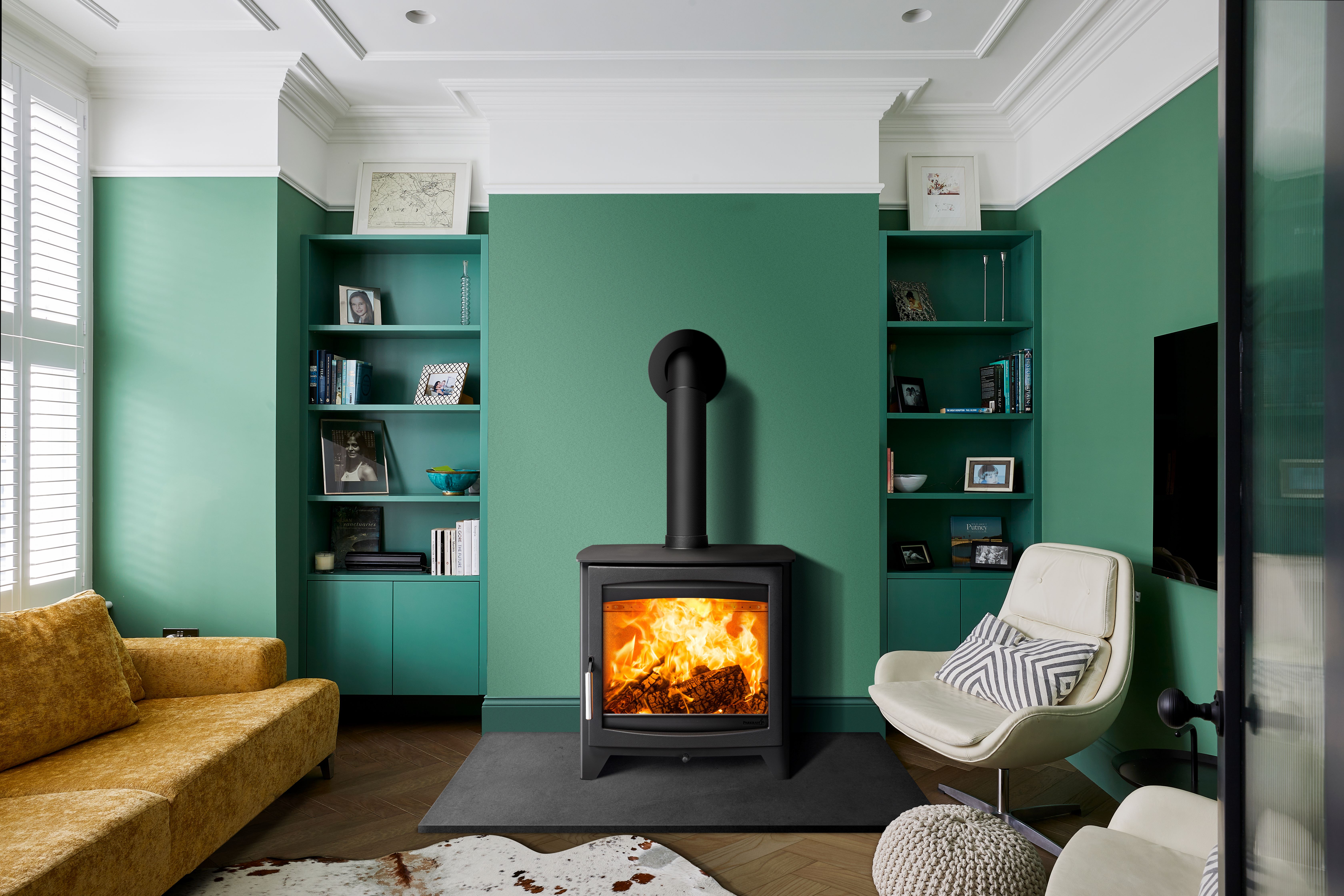 Direct Stoves, Parkray Aspect 14 Wood Burning Ecodesign Stove
If you currently use an open fire or an older wood stove, consider upgrading. Modern equipment makes a huge difference. Only stoves that meet the Ecodesign standard can now be legally sold in the UK. These stoves are designed to burn fuel more efficiently, resulting in reduced emissions of harmful pollutants and fine particles. An Ecodesign stove can produce up to 90% less emissions than an open fire and up to 80% less than some outdated appliances, according to the SIA. These stoves create more heat with less fuel.
However, critics say the ecodesign regulations, designed by the EU, are weak. New wood burning stoves are still allowed to emit 750 times more tiny particulate pollution than a modern HGV trucks. (The Ecodesign standard allows wood stoves to emit 375g of PM2.5 for every gigajoule (GJ) of energy produced. By comparison, the latest standard for HGVs is 0.5g per GJ.)
For added peace of mind, look for stoves certified under the clearSkies scheme, a voluntary higher standard for emissions and energy efficiency, such as the The Parkray stove, shown above. If you live in a Smoke Control Area, your stove will need to be Defra exempt if you wish to burn wood, All Clearskies Level 3 and above are certified as Defra exempt.
Installation and maintenance matters
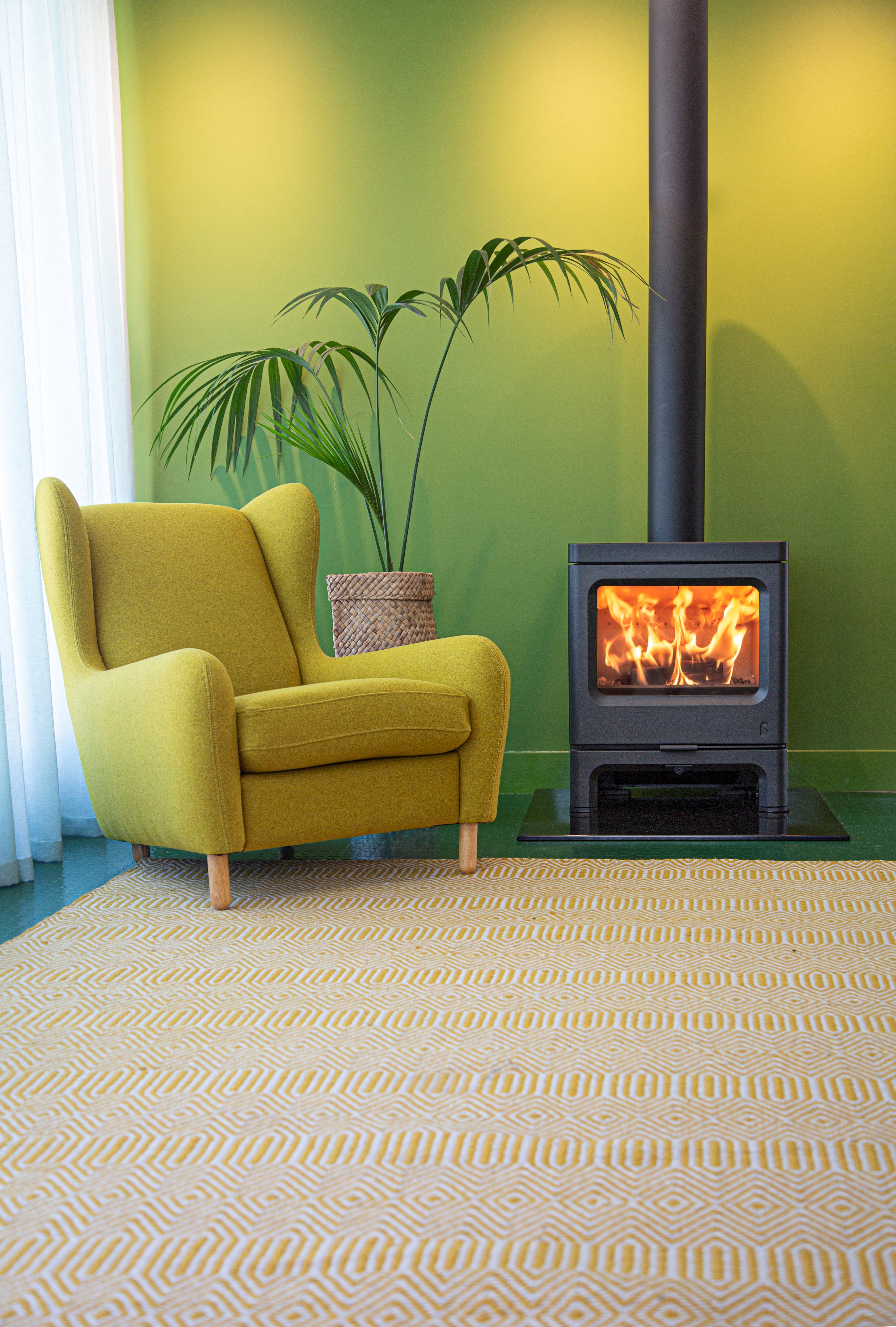 Direct Stoves – Charnwood Skye E700 Ecodesign Stove
Expert installation and regular maintenance are essential for minimising emissions and maximising efficiency. Make sure your stove is fitted by an appropriately qualified competent person, such as an installer who is HETAS or OFTEC registered. Even with the latest technology, maintenance plays a crucial role in making your stove less polluting. You could spend a fortune on an ultra-modern stove, but if you don’t keep the flue clean it will belch smoke. Make sure your stove is serviced and your chimney swept at least once a year. The SIA recommends NVQ qualified sweeps for ongoing maintenance and servicing of your stove and chimney. The Federation of Chimney Sweeps has links to all the main chimney sweep associations. “Chimney sweeps are a valuable source of information for good practice and advice,” says the SIA.
Use dry, seasoned wood
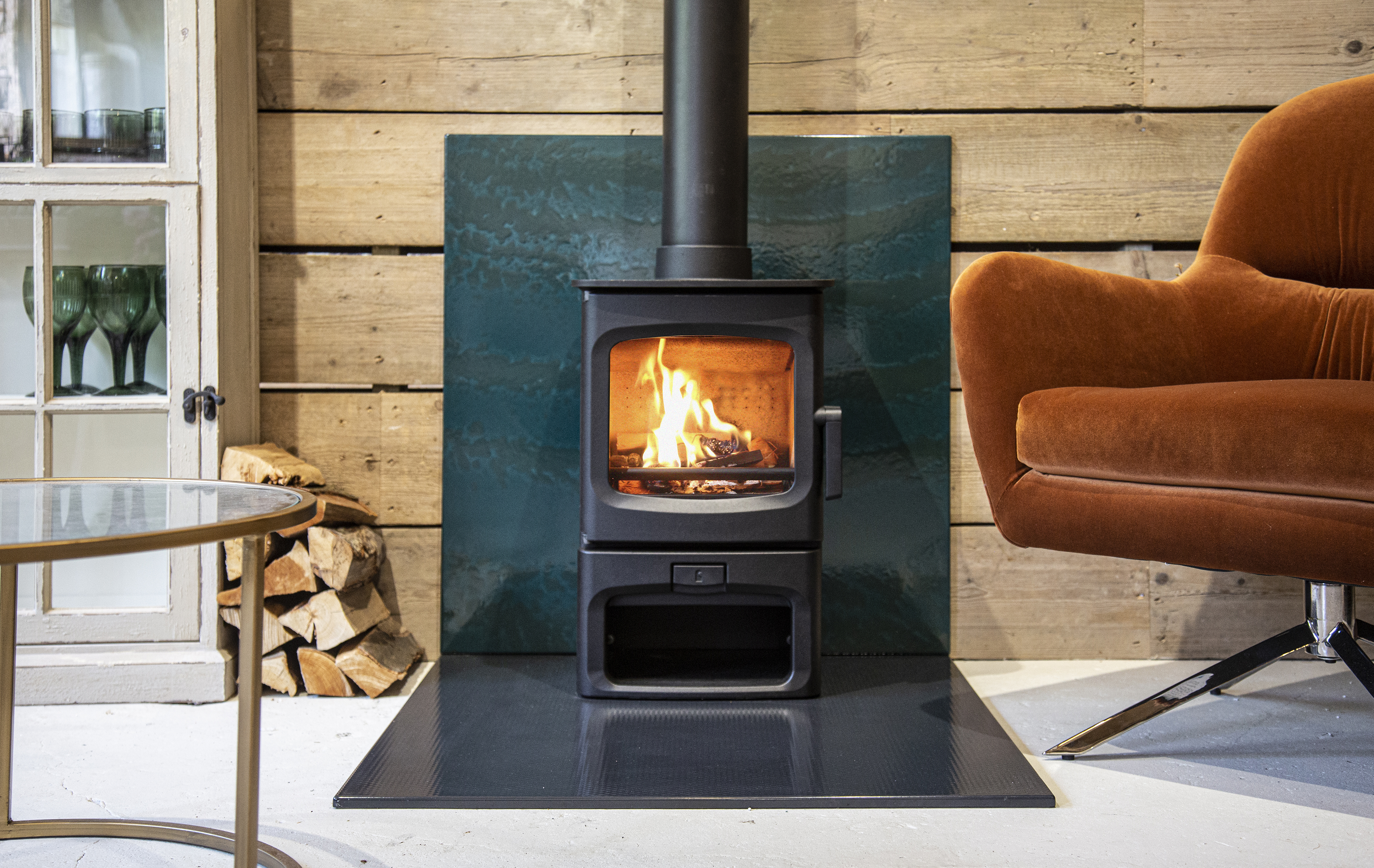 Direct Stoves, Charwood Aire 3 Blue Store Stand Wood burning Ecodesign Stove
Another key to reducing emissions is using the right sort of fuel. The UK government has placed limits on what you can burn – no wet wood or scrap. Only dry, seasoned wood with a moisture content below 20% is now officially allowed. Freshly cut wood can have a moisture content between 60% and 80%. The SIA explains: “Burning wet wood will lead to an increase in smoke and emissions and produce little heat. It will also lead to blackening of the stove glass and build-up of soot in the chimney.”
Look for the “Ready to Burn” label to ensure logs have a moisture content of 20% or less. The wood you burn should be seasoned, which means it has been cut and left to dry for at least a year. “If you are seasoning wood yourself, invest in a moisture meter to check before you burn. Never use chemically treated wood or burn waste on your stove,” states the SIA.
Make sure your stored logs get plenty of air – raise them off the ground on a pallet or keep them in a rack or wood store outside,with a roof to keep them dry. Split logs dry faster, too. If you live in a Smoke Control Area, you can only use Defra-approved smokeless fuel.
Use top-down lighting method to reduce emissions
Lighting your stove the wrong way can cause excess smoke and particulates. The SIA recommends a “top-down” lighting method: clear grade of ash, place two to three logs on the stove bed, followed by six to eight kindling sticks and last, a natural firelighter. Set stove controls for maximum airflow, light the firelighter and leave the door to makes it burn hotter and more cleanly. Once burning well, close the door. Refuel little and often, leaving space for airflow between newly added logs. Fully open the air control with each new log until the fire is burning well and then turn it back to normal. Adding too many logs at once can make the fire smoulder which creates more smoke.
Consider alternative fuels to logs
 Direct Fireplaces - Elgin & Hall Pryzm Arteon 1250 3SL Electric Inset Wall Fire
There are greener alternatives to logs worth considering, such as pellets made from compacted sawdust – an industry waste product. Wood pellets burn cleaner than logs, releasing fewer emissions and are more sustainable as fewer trees are cut down. Remember, you don’t always need a real flame to create that hygge feeling. For those seeking ambience without emissions, consider electric fires with LED flame effects.
While traditional open fires and older stoves are a major contributor to air pollution, it’s possible to significantly reduce the environmental impact of wood burners. Choosing a clearSkies certified stove, using dry, seasoned wood, annual services and chimney sweep plus top-down lighting methods are all ways to make wood burning stoves cleaner. For those who still aren’t convinced burning wood is eco-friendly, alternative fuels and flame-effect electric fires, are worth exploring.