
Is beekeeping good for the environment?
Or could the boom in beekeeping be harming some wild bees?
What was once a niche hobby has flourished, especially in cities. There are now more than 47,000 registered beekeepers in the UK – more than double the 19,000 recorded in 2010, according to the National Bee Unit Apiculture Programme. The vast majority are hobbyists with fewer than 10 hives. But some scientists worry that this surge in beekeeping, combined with the lack of pollinator-friendly spaces, could be threatening the health and even survival of wild bees.
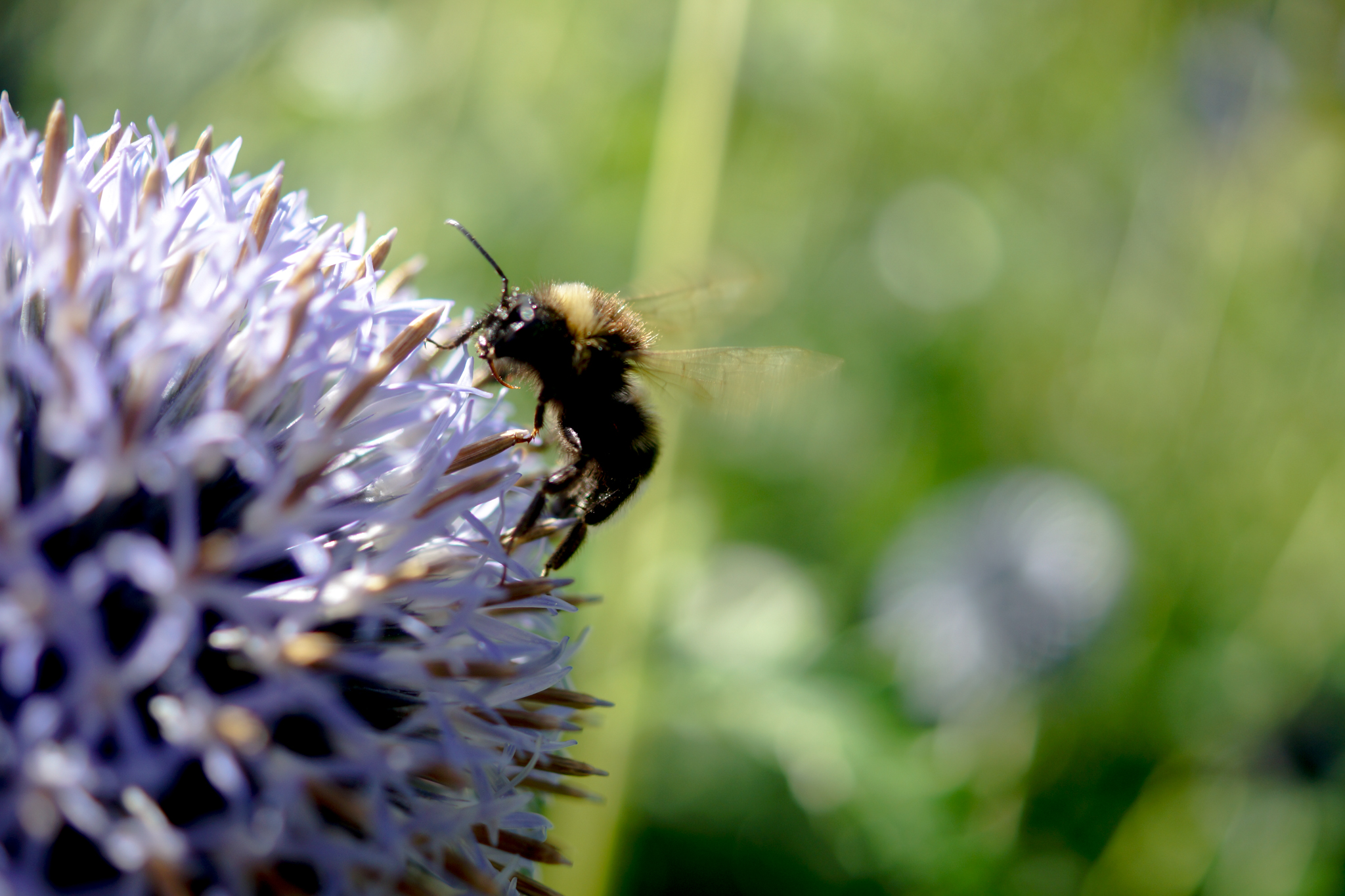
As Chloe Agar from Kew Gardens comments: “When we talk of bees, what to you think of? Likely it’s hives, honey, beeswax – all related to honeybees. Because of this it’s understandable that on hearing ‘save the bees’ beekeeping may seem like the best option. But what about the wild bees?
While there is just one species of honeybee in Europe, Apis Mellifera, there are 20,000 species of bee worldwide. The honeybee has been domesticated for producing honey and beeswax and for pollinating food crops. “The domestication of bees means they are not of conservation concern, whilst many other wild bees still need our help,” says Agar. “In the UK alone. there are 275 species of bee, including 24 bumblebee species and 240 species of solitary bee.” Plus, all the other wild pollinators, a group that includes not only bees but bats, hoverflies, moths, wasps, birds, butterflies and beetles.
Wild bees are in decline
Almost one in ten wild bee species face extinction, including many of Britain’s bumblebees. Since 1970, the number of pollinators in the UK has decreased by 18% on average, according to Kew Garden’s State of Nature report 2023.
Although more bees mean more pollinators, it creates more competition for nectar. When there aren’t enough plants in an area to support the local pollinator population, domesticated bees can outcompete wild bees, suggests the report. “Honeybees get nectar from many types of flowering plants, whereas many wild bees relay on more limited plants for food, so are easily outcompeted by domesticated bees.” For example, the harebell carpenter bee is dependent on one wildflower and can’t survive without it.
Meanwhile, Kew Garden’s State of the World and Fungi report warns: “Campaigns encouraging people to save bees have resulted in an unsustainable proliferation in urban beekeeping. This approach only saves one species of bee, the honeybee with no regard for how honeybees interact with other native species.”
Not everyone agrees. Veteran beekeeper and trained botanist Avril Burt, from South Wonston in Hampshire, argues both domestic honeybees and wild bees are threatened by habitat loss and insecticides in modern agriculture – and all need support. “Both honeybees and the many other species of wild bees are suffering,” she says.
Why are all pollinators under threat?
The UK has lost more than 97% of wildflower meadows since the 1930s. Today, flower-rich grassland covers just 1% of its land mass. Urban expansion, new transport links, pesticides and other chemicals in modern farming, parks and garden have all contributed to the decline.
There are about 250 wild bee species in the UK; 24 are bumblebees and the rest are solitary bees, such as the long-horned bee and the colourfully named carrot-mining bee. Solitary bees don’t produce honey or live in colonies with worker bees and a queen. Instead, they create their own nests in soil, wood or plant stems. Mason bees, for instance, create nests in chalk banks and plant stems while leaf cutter bees line their nests with tiny leaf pieces.
Kew Gardens explains: “Solitary bees drink nectar directly from the flower and spend most of their time collecting pollen, which is mixed with a small amount of nectar as food for their young. They provide each larva with everything it needs, but they do not tend to the young as they grow and never get to see their offspring emerge.”
Cities as a lifeline
As a result of the challenges in the countryside, urban spaces have become vital lifelines for beleaguered pollinators. There are more bee species in cities than there are in the surrounding countryside, according to the London Beekeepers’ Association (LBKA). Half of the UK bee species have been found in London with 107 in Kew Gardens alone.
Burt has seen this firsthand. “I kept bees for 40 years. I got a lot more honey from my hives in south London than in South Wonston – probably 1,000lbs more each year from the same number of hives. Most gardens have a variety of flowers whereas a farmer’s crop may not be bee-friendly at all.”
Fields of oats, barley and wheat, for example, are wind-pollinated grasses and not a significant nectar source for bees. “So, a city with gardens is obviously going to be a better than a field of wheat for bees,” says the retired scientist.
How can we help?
Honeybees are voracious feeders. According to the LBKA, a single hive needs around 50kg of pollen and 250kg of nectar just to survive before the honey crop is taken. Producing a single pot of honey requires visiting around four million flowers. With an estimated 5,000 hives in London, that’s a lot of forage needed.
“The declining numbers of bees and pollinating insects widely reported are due to a variety of factors, including lack of suitable forage, increased pesticide use and the spread of new diseases,” states the LBKA. “Of these, forage availability is something that most of us can help with.”
Bees’ Needs Week, co-ordinated by Defra, suggests simple actions, such as planting more bee-friendly flowers and trees and mowing the lawn less often. The LBKA adds: “Although we encourage and support beekeeping, forage creation is probably the most important factor for helping bees and supporting pollinating insects in the local area.”
Projects such as conservation charity Buglife’s B-Line project are also helping, creating wildflower corridors between pollinator hotspots to give small local populations the chance to survive and thrive.
What makes good forage?
Bees and other pollinators need plants rich in both pollen (protein) and nectar (carbohydrate). The best plants for bees include a mix of early, mid and late-blooming varieties.
- Early bloomers: crocus, fritillaries, hawthorn, willow and some heathers.
- Mid-season: lavender, comfrey, echinacea, catmint, borage, foxglove, hollyhock, snapdragon, common poppy.
- Late season: cosmos, sunflower and verbena.
Herbs when allowed to flower provide excellent nutrition for bees. For example, rosemary, thyme, chives, sage and mint. Perennials – the plants that return year after year – offer long-term benefits to bees. Look for plants like bee balm, echinacea, globe thistle and sedum. Many annual flowers are great for bees, including cosmos, sunflowers and zinnia. Daisies, clover and dandelions in unmown lawns provide vital forage. Burt says the most bee-friendly plants are those “with plenty of pollen and a long flowering season.”
Should I keep honeybees?
Beekeeping can be a rewarding pastime but think about the impact. If you do keep hives, it’s important to plant generously for both honeybees and wild pollinators. Registration with the National Bee Unit is recommended and hives should not be placed in wildflower meadows or Sites of Special Scientific Interest that attract wild pollinators. Advice from the British Beekeepers Association can ensure your hives’ location doesn’t threaten a rarer species. Follow the the National Bee Unit’s healthy bee guidelines and seek advice from your local Beekeeping Association to reduce the risk of honeybees passing diseases to wild bees.
Whether you become a beekeeper or simply plant for pollinators, creating more outdoor spaces rich in nectar and pollen will help both honeybees and wild bees.