
Balancing Your Emissions
Electric cars have become one of the main pillars of the green revolution whose aim is to boost our environmental friendliness by cutting down on the emissions of harmful gases into the atmosphere. Their owners are seen as advocates of green technology, offering a cleaner alternative to conventional fossil fuelled vehicles. The attraction of these vehicles is simple. They produce zero tailpipe emissions, and no air pollution from carbon monoxide or nitrogen. This makes electric cars an obvious choice in the drive to reduce our carbon footprint.
That, however is only one side of the emissions story. There is an environmental cost to the complex processes of manufacturing electric cars, which is often unseen beneath the surface of their green image. The manufacture of batteries is one of the biggest environmental concerns around electric cars. Electric cars are powered by lithium-ion batteries, which require resources such as lithium, cobalt, and nickel.
The extraction of these materials do not come without their complications and can have significant environmental impacts. The mining of raw materials for electric car batteries, such as lithium and cobalt, raises significant ethical concerns. Many of these materials are sourced from countries with poor labour standards, where child labour and unsafe working conditions are prevalent. For instance, lithium mining uses a high volume of water, which can in some regions, lead to water shortages. Cobalt mining, which has been linked to pollution, land degradation, and potential groundwater contamination is the most lucrative and essential part of the Democratic Republic of Congo economy, being it’s their largest single source of export income. The Democratic Republic of Congo accounted for nearly three-quarters of global cobalt production in 2024.
Electric cars also rely on rare earth elements, which are used in their motors and batteries. The extraction and processing of these elements can be environmentally damaging. The environmental toll of mining these elements can be substantial, contributing to soil and water pollution. This adds another layer to the hidden environmental costs of electric cars. Thus, while the car itself may not emit pollutants, the process of making its battery can leave a substantial environmental footprint.
Other aspects of the production of electric cars are often overlooked. Building an electric vehicle generally requires more energy than producing a conventional car, primarily due to the battery. On average, the production of an electric vehicle results in 15% higher emissions than a comparable fossil fuelled vehicle. Depending on how far and often a car is driven and the sources of electricity used for charging it, this initial carbon deficit can take years to offset. The green credentials of electric cars can only ever be as green as the energy used to charge them.
Charging an electric car in regions where the use of fossil fuels such as gas or coal to generate power could indirectly lead to higher greenhouse gas emissions than running a fuel-efficient petrol or diesel car. In countries like China and India where coal is still a major energy source, the environmental benefits of electric vehicles are significantly reduced. In 2023, fossil fuels accounted for over 60% of all global electricity generation, with renewables making up around 30%. The environmental benefit of electric cars is still very much dependant on the mix of fossil fuel and renewable energy.
When comparing electric cars to traditional vehicles, it's essential to consider their entire lifecycle. A lifecycle analysis includes emissions from manufacturing, operation, and disposal. While electric cars have lower emissions while in operation, their manufacturing and disposal can have a much bigger environmental impact than their fossil fuelled counterparts. When electric car batteries reach the end of their life, they pose another environmental challenge. Recycling lithium-ion batteries is a complex and energy-intensive process.
Many batteries end up in landfills, where they can leak toxic substances that will contaminate surrounding soil and leach into surface and sub-surface water systems. While efforts are being made to improve recycling technologies, the infrastructure is not yet sufficient to handle the growing number of retired electric car batteries. This end-of-life recycling stage is at present a significant factor in the overall environmental cost of electric vehicles. The development of solid state batteries will lessen the environmental impact of recycling lithium-ion batteries.
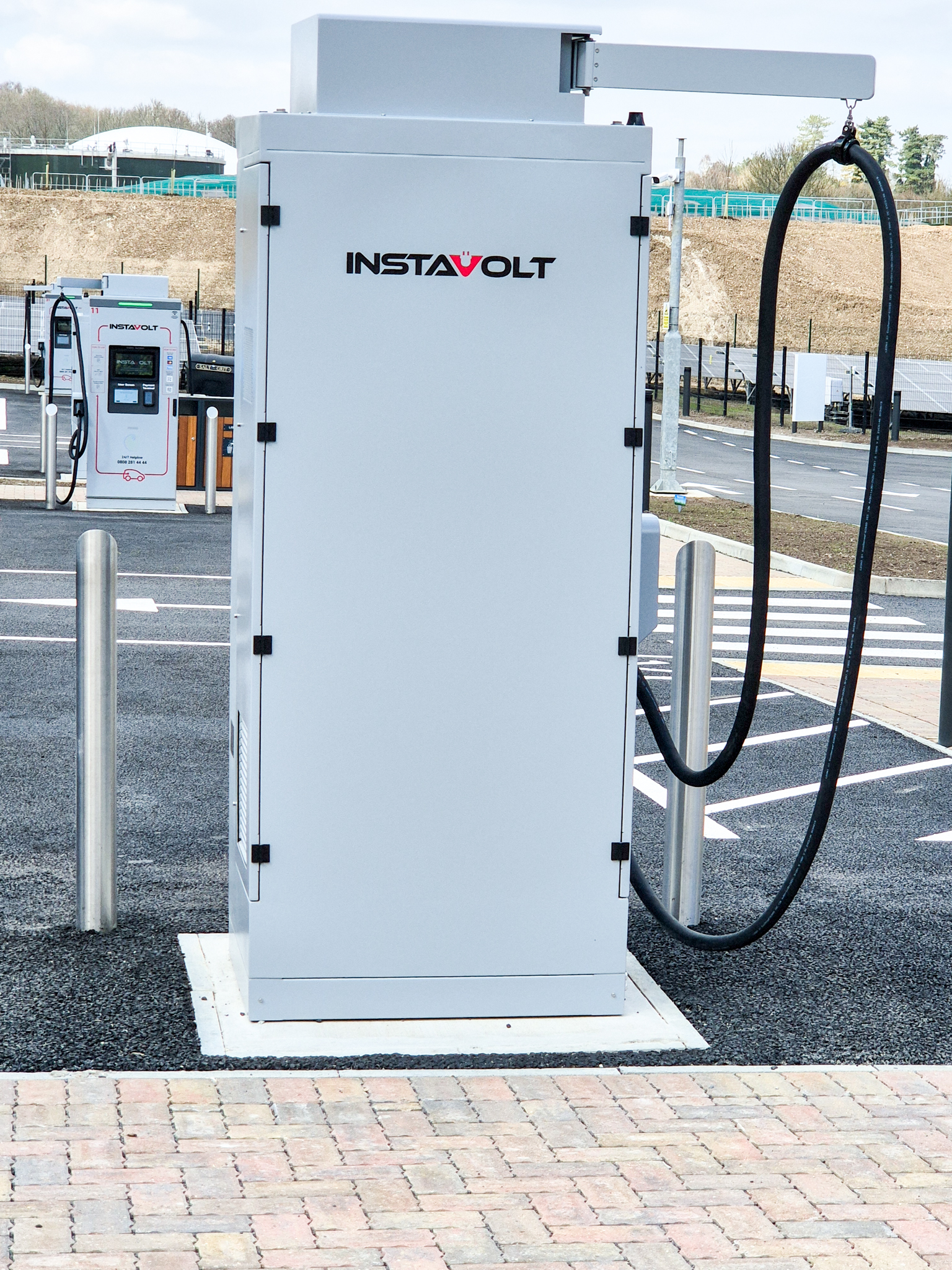
The adoption of electric cars is requiring significant ongoing investment in providing the support infrastructure. Building this infrastructure can have an impact on the environment. For example, constructing new charging stations requires resources and energy as well as construction materials, which also contribute to emissions. The expansion of the electric grid and the transmission network to support a larger number of electric vehicles and their charging infrastructure can also lead to environmental challenges. The increased demand for electricity can strain existing power grids, especially in urban areas where the concentration of electric vehicles is higher. This can lead to more frequent power outages in these areas. These infrastructural demands add to the hidden environmental costs that are not immediately apparent when considering the switch to electric vehicles. This analysis highlights the importance of considering all stages of an electric vehicle's lifecycle, from mining the raw materials needed for their batteries to generating the electricity required to power them, when evaluating its overall environmental impact.
Governments around the globe are encouraging the adoption of electric cars through subsidies and incentives, some giving discounts against the purchase price of the vehicle, others are providing grants to help fund the installation of home charging points but while promoting electric vehicles is a step towards reducing emissions, it is crucial to address the entire supply chain's sustainability.
Government policies should also focus on improving the processes for battery recycling, as well as reducing reliance on fossil fuels to generate electricity, and ensuring ethical sourcing of materials. By considering these factors, governments can more effectively mitigate the environmental costs associated with electric vehicles.
Despite the challenges, the potential for technological advancements in the electric vehicle sector is vast. Innovations in battery technology, such as solid-state batteries, promise to reduce environmental impact and improve efficiency. Additionally, as renewable energy sources become more prevalent, the overall carbon footprint of electric cars can decrease. However, these advancements are still in their early stages and will require time and investment to become mainstream.
Ultimately, customers will dictate the speed of take-up of electric cars and to ensure the transition is a smooth one, motorists need to see a benefit in switching. Buying an electric car needs a larger initial investment as these are in general terms, more expensive which means the perceived savings in running costs will take some time to be repaid. If we then consider the environmental impact of an electric car as opposed to a fossil fuelled vehicle we are potentially offering today’s market a higher priced product in terms of both monetary and ecological terms. That is not a great incentive to a potential customer