
Are renewables worth it?
The real cost of solar and heat pumps in 2026
Rocketing energy prices are once again forcing households to rethink how they heat and power their homes. Trump’s war in Iran has disrupted supplies, tripling the cost of domestic heating oil while wholesale gas and electricity prices are expected to rise. The case for going green is no longer just environmental but financial too. Is now the right time to invest in solar panels and a heat pump?
With analysts predicting instability in the Middle East will push a typical household energy bill to £1,929 in July, demand for solar panels is rising. Octopus Energy reported a 54 per cent increase in solar sales in March compared to the previous month, noting customers are increasingly “supersizing” systems – opting for 12 panels instead of the more typical ten.
Renewable technologies can lower household bills, reduce reliance on the grid and cut carbon emissions. They may even boost property value. But upfront costs remain a significant barrier.
Reduce energy demand
Before investing in solar panels or a heat pump, it’s important to reduce energy demand. Improving insulation, sealing draughts and upgrading single-glazed windows often deliver better returns than rushing to install heat pumps or solar panels. If a home is leaking heat, even the latest technology will struggle to keep it comfortable in winter.
A well-insulated property requires less heat, which in turn reduces both running costs and the size of any heating system required. The less energy a home wastes, the more effective and affordable any renewable energy upgrade becomes.
What do solar panels cost in 2026?
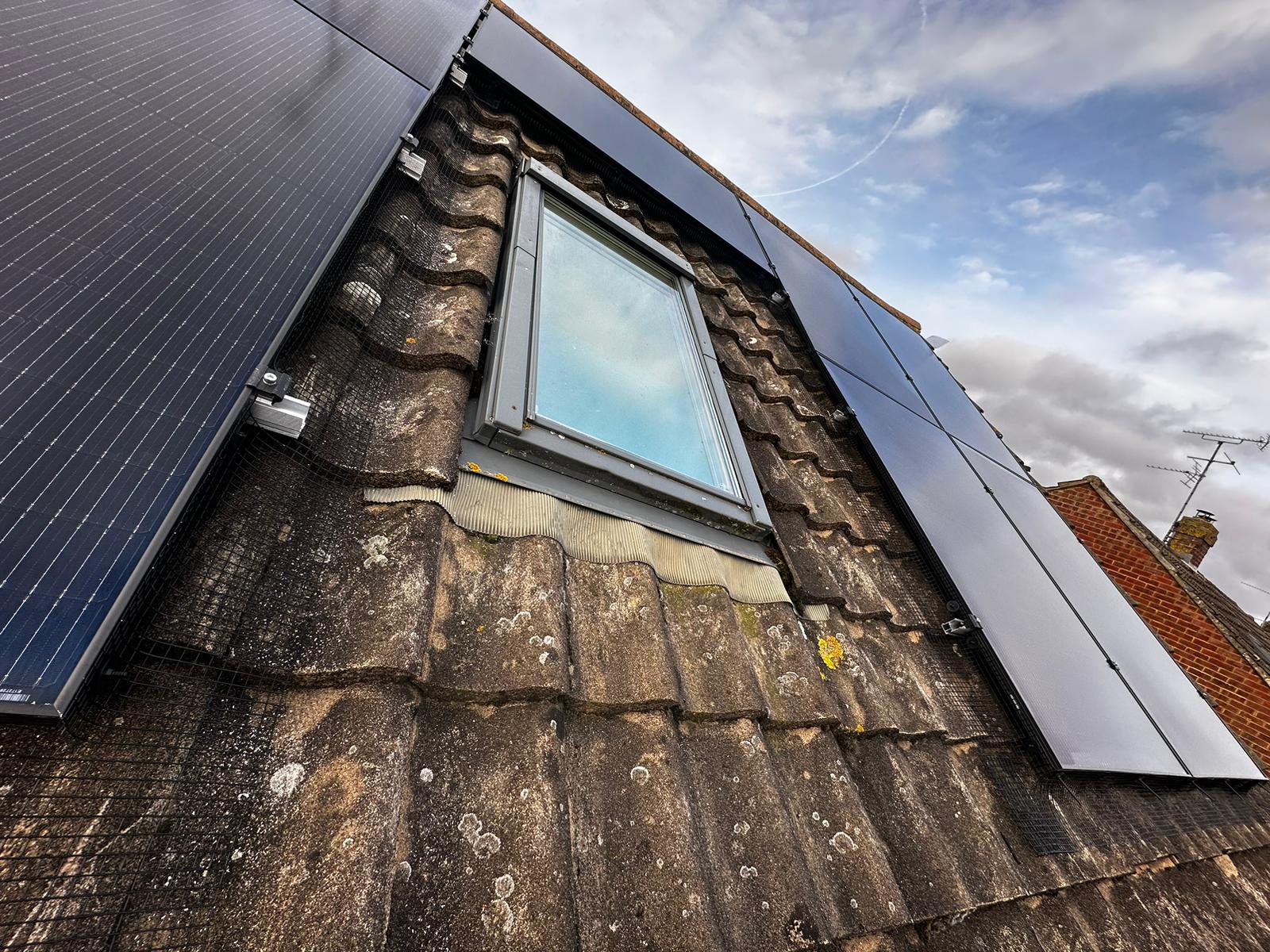
Solar photovoltaic (PV) panels generate electricity from daylight, not just direct sunlight, making them a viable option across the UK. According to EON Energy, a standard 3-4kW system costs between £5,000 and £8,000 and typically pays for itself within 7 to 10 years when paired with battery storage. Any surplus electricity can either be stored in a battery for later use or sold back to the grid.
Running appliances, washing machines or dishwashers during the day can significantly improve savings. Investing in battery storage means you can store energy for evening use. Batteries typically cost about £4,000 each.
Installer Paul Mclouglin, of Basingstoke-based PM Electrical Systems, says: “Payback times very much depend on how the household uses energy. That’s why we do a survey first to find out how much energy is used and design a bespoke system that suits the client’s property and needs.”
Plug-in solar panels - sometimes called “balcony solar” - are expected to be sold by retailers soon. These smaller systems require no professional installation and offer a lower cost option for renters and those unable to afford rooftop panels. Pricing is not confirmed for Britain yet but in Germany the panels cost about £200, rising to around £2,000 for a complete system.
Getting the most value from solar
The biggest savings come from using solar power as it’s generated. “Payback is quicker with a battery,” says Mcloughlin. “We’ve had clients whose electricity bills have dropped from £250 per month to as little as £25.” He adds: “Solar with a battery can be a really good investment if you have the money in the bank – less so if you require a loan and will be paying interest.”
Selling surplus energy to the grid through the Smart Energy Guarantee (SEG) can provide additional income, though rates vary widely depending on your supplier and tariff. In 2026, most standard SEG tariffs pay somewhere between around 3p and 6p per kWh, rising to about 13p-18p per kWh on competitive fixed tariffs. Most premium deals tie installing panels and batteries with a specific supplier – and can reach up to 25p per kWh.
Some households install hot water diverters to use excess electricity to heat water. They cost about £500, including installation. Mcloughlin says: “They are a good bit of kit. If the electricity isn’t required for the house or to charge the battery, it can be diverted to heat up hot water rather than being sold back to the grid.”
Using solar power to charge an electric vehicle on on a daily basis is possible but limited in practice: “In theory, you could use solar panels for EV charging, but there wouldn’t be any electricity left for the house, so it’s not really viable unless you have a very big house or office building with solar panels all over the roof,” explains McLaughlin. “It’s cheaper to buy electricity from the grid off-peak at night to charge your car.” All home charging points are now automatically set to charge after 10pm.
Heat pumps and other technologies
Heat pumps extract heat from the air or ground and can be three to four times more efficient than traditional boilers. Even in cold weather, they can keep a home warm in winter. Replacing old boilers with heat pumps is central to the government’s plan to achieve Net Zero by 2050. New rules introduced under the Future Homes Standards in April mean new homes in England will be built with solar panels and heat pumps fitted as standard.
Heat pumps run on electricity increasingly being generated by wind turbines and solar panels. But the running costs depend heavily on electricity price. In Norway, where heat pumps are common, electricity costs about the same as gas. In the UK, however, it costs nearly four times as much. This means that even though heat pumps are very efficient, running costs can still be higher than gas or oil boilers if they are performing at the lower end of the range. Pairing a heat pump with solar panels reduces reliance on grid electricity – and cut bills.
Britain has the lowest heat pump installation rate in Europe. Part of the problem is the high upfront cost. Air source heat pumps typically cost £7,000 for a three-bedroom home, according to the MCS Foundation, an energy charity. However, the bill is often bigger because of the need to install a water cylinder and larger radiators. Homeowners can apply for a £7,500 grant with the Boiler Upgrade Scheme (BUS) which helps to reduce installation costs.
Government support and incentives
Under a £15 billion Warm Homes Plan, the government is introducing new grants and zero-interest loans to improve energy efficiency. The loans, expected to launch this year, will be available from private lenders for middle-income households fitting solar panels, heat pumps and battery storage systems. Lower income households will be eligible for fully funded upgrades. According to estimates, these renewable technologies could cut household energy bills by £500-£1,000 a year. Other financing models, including a subscription style service, are being explored by Whitehall to spread upfront costs over time.
Friends of the Earth’s head of policy, Mike Childs, said: “For too long, households across the UK have been hit by soaring energy bills driven by our dependence on volatile gas and oil markets. Making it easier to install plug-in solar panels and ensuring new homes come with heat pumps and solar power is a welcome step that will help protect families from future price shocks. But we must go further to end our reliance on fossil fuels, strengthen energy security and cut the carbon pollution driving the climate crisis.”
Are renewables worth it?
For better-off households able to afford the upfront cost, the answer is increasingly yes. Renewable technologies offer significant savings on energy bills – sometimes exceeding £2,000 annually for integrated systems. But high initial costs of installing heat pumps and solar panels with batteries create a major, immediate barrier for many homeowners as can expensive electricity and the need for well insulated properties. It remains to be seen if an expansion of grants and low-cost loans will help more people make the switch to green tech, particularly low-income households.